House Maxxing: Why Smart Buyers and Sellers Should Think About Build Potential
Why smart buyers, sellers, and real estate investors are looking beyond the house itself and evaluating build potential, zoning flexibility, and long-term property value in today’s market.
You’ve probably heard the term “looksmaxxing” by now, optimizing appearance for maximum impact. In real estate, there’s a similar concept that more buyers and sellers should be paying attention to, especially in markets where land value and redevelopment potential are becoming a bigger part of the conversation.
I call it house maxxing: looking beyond what a property is today and thinking about what it could become tomorrow.
Because the true value of a property is not always tied to the existing structure. Sometimes the biggest opportunity sits in the lot itself, the zoning, the setbacks, and the long-term flexibility of the property.
What “Build Potential” Actually Means
When I evaluate a property, I’m obviously paying attention to the house itself, but I’m also looking at the bigger picture and asking questions that many buyers never think to ask.
How much of the lot is actually being utilized?
What does the zoning allow?
Is there room to build up, build out, or add an ADU?
Are setback restrictions limiting future expansion?
Do utilities, easements, or poles impact the usable footprint?
What is the highest and best use of the property long term?
Those details matter more than people realize.
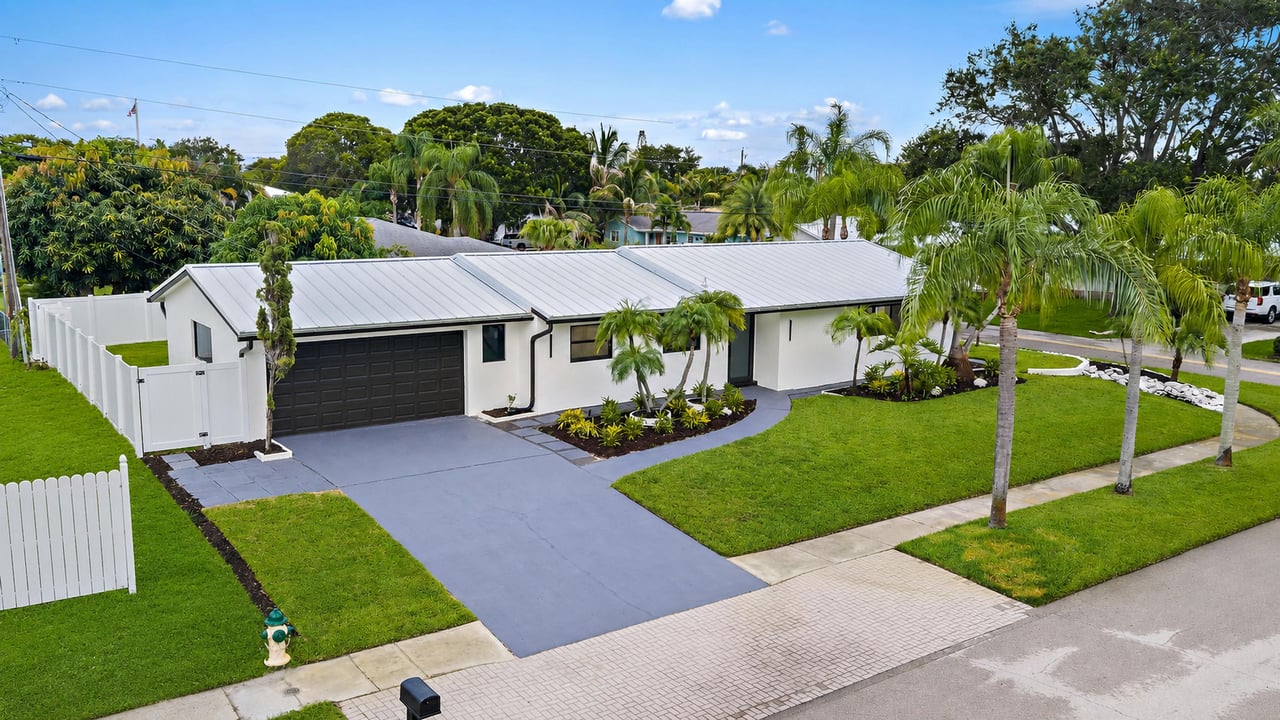
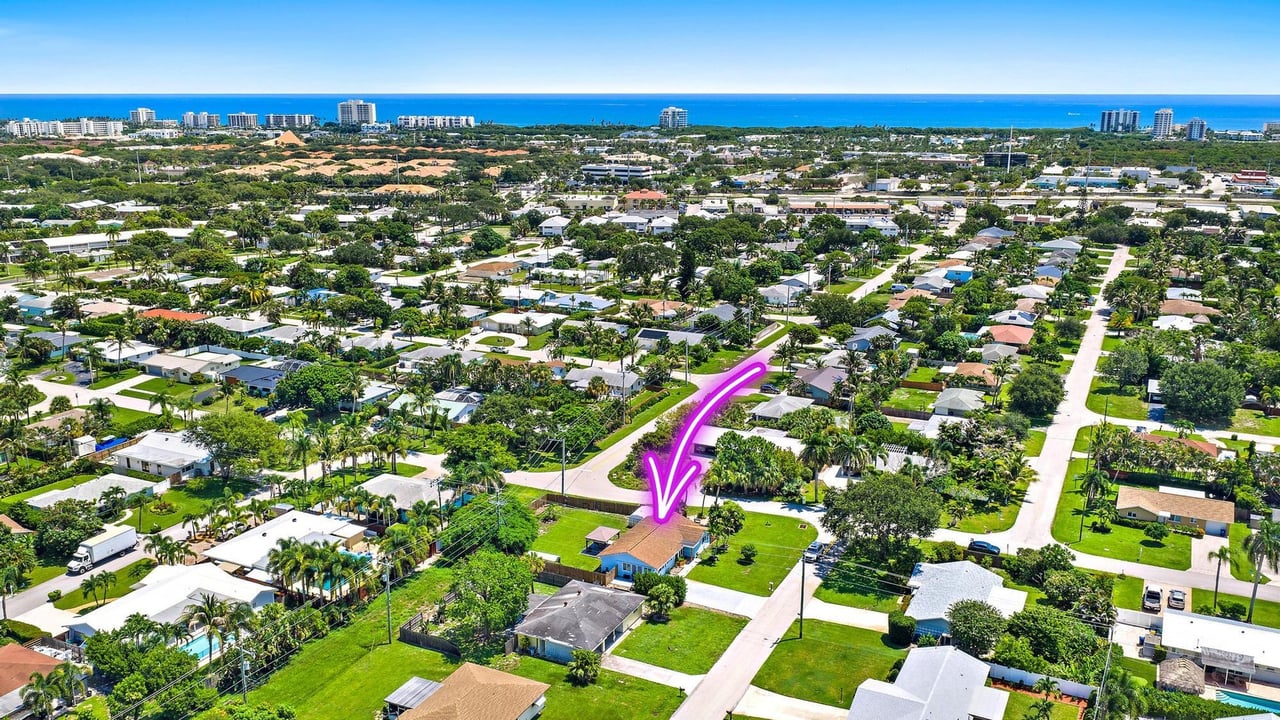
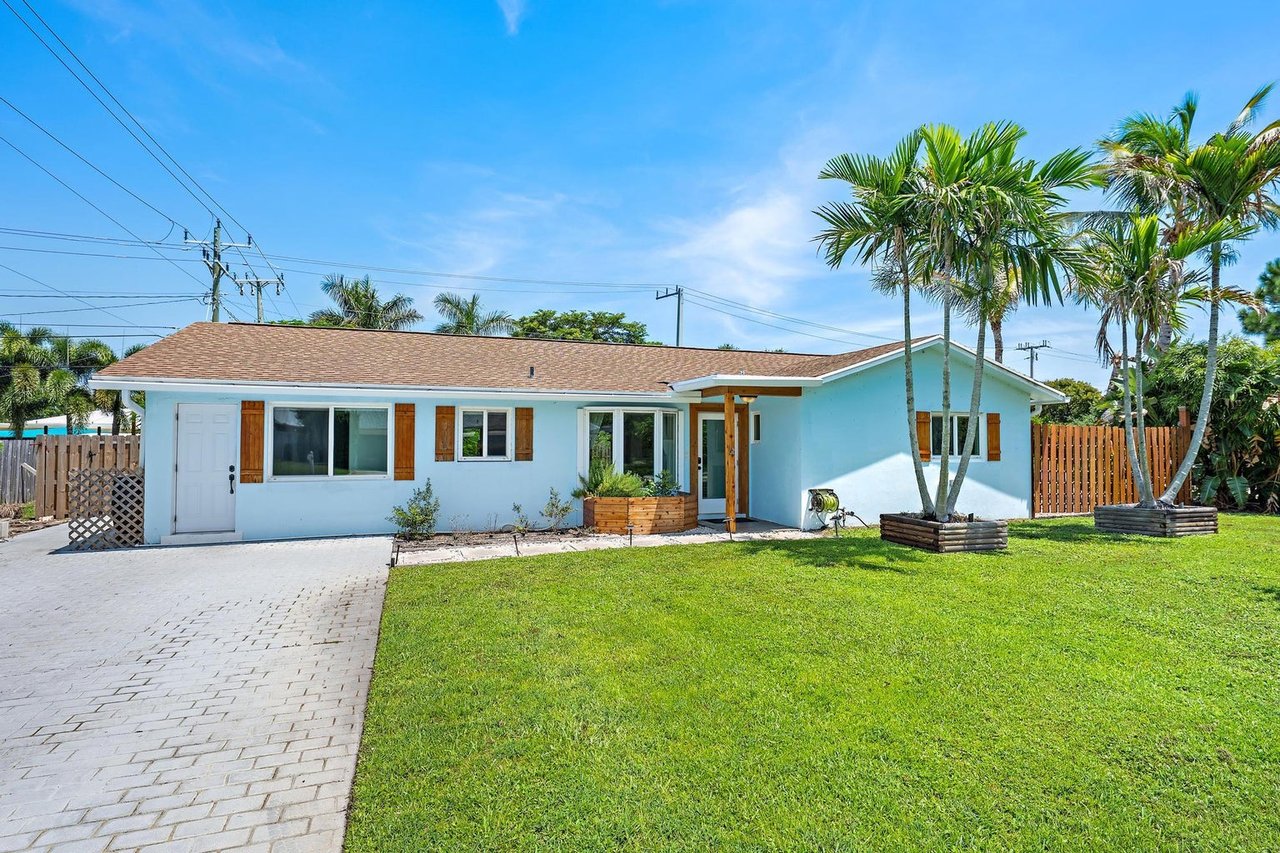
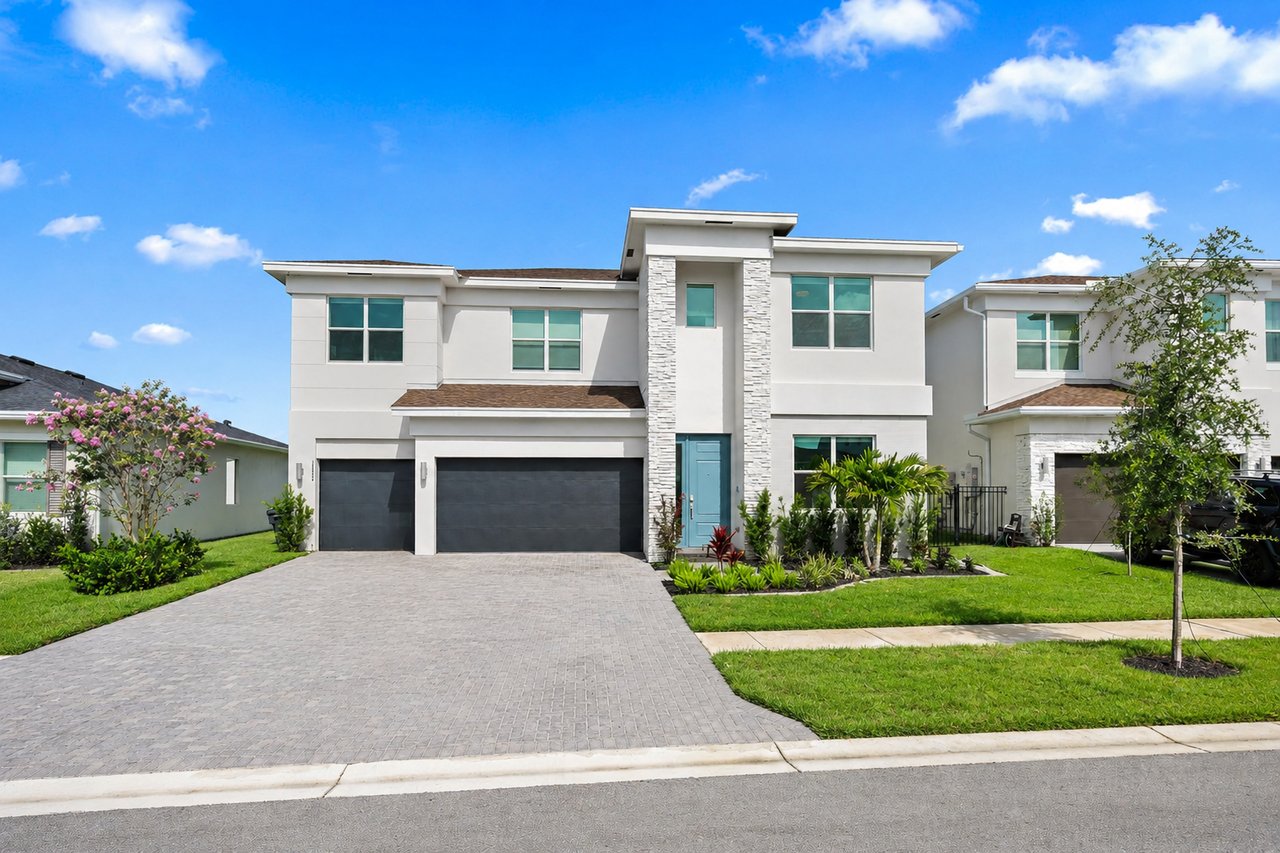
For example, a 12,000-square-foot lot with a relatively small home may not immediately stand out on paper. But if only a small percentage of that lot is currently improved, the property may have significant upside depending on what the municipality allows. In another scenario, a beautifully renovated home may already be close to maxed out from a zoning perspective, leaving very little flexibility for future additions or redevelopment.
That’s the difference between simply buying a house and understanding the full potential of a property.
Why This Matters for Buyers
Most buyers naturally focus on finishes, layout, curb appeal, and how a home feels when they walk through the front door. Of course those things matter, but they’re only part of the story.
A smart buyer also thinks strategically and asks questions like:
Could this property support a larger home later on?
Is there room for a guest house or ADU?
Is the lot underbuilt relative to what’s allowed?
Does the property have redevelopment value if needs change over time?
That kind of thinking matters whether you’re buying a primary residence, a second home, or an investment property. Sometimes the home that feels “small” today ends up being one of the strongest long-term assets on the block simply because the land itself offers more flexibility than neighboring properties.
Why This Matters for Sellers
If you’re selling, build potential can become a major part of your value story.
Two homes may look similar online or on paper, but one property may sit on a lot with substantially more upside and future flexibility. Buyers, particularly investors, developers, and move-up buyers, are paying attention to that more than ever right now.
Being underbuilt is not automatically a weakness. In many cases, it’s exactly what makes a property so appealing.
The ability to expand, redesign, or maximize the lot later on may ultimately be one of the most valuable features the property has.
How to Evaluate Build Potential the Right Way
This is where a lot of people get it wrong.
You cannot rely on guesswork, and you definitely should not rely solely on generic AI answers pulled from the internet. Zoning regulations, setbacks, utility constraints, and local development rules vary significantly from one municipality to the next. What’s possible in one neighborhood may be completely different a few streets over.
The right way to evaluate build potential includes:
Municipal zoning and setback analysis
Lot coverage and FAR limitations
Utility and easement review
Local development knowledge
Property-specific underbuilt analysis
That last piece is where tools like Breezy’s Underbuilt Report become incredibly useful. It helps buyers, sellers, and agents better understand how much additional potential a property may support based on the lot itself and the local regulations attached to it.
That’s the kind of insight people should have before making major real estate decisions.
The Bottom Line
Real estate has never been only about what exists today. The smartest buyers, sellers, and investors are always thinking a few steps ahead and evaluating properties based on flexibility, future use, and long-term potential.
That’s house maxxing.
It’s the ability to look beyond the current structure and think about the maximum use, maximum flexibility, and maximum long-term value of a property before making a decision.
For buyers, it can help uncover hidden upside. For sellers, it can strengthen the overall value story of the property. And for agents, it creates an opportunity to guide clients with deeper insight and more confidence.
Because sometimes the best opportunities are not the prettiest homes on the block. They’re the ones with the most room to grow.
Are you buying a home, selling a home, or investing in real estate today? Work with the top-producing Meyer Lucas Team for luxury home buying and selling in Jupiter, FL. With over half a billion in sales, we deliver premium results and exceptional client service in the competitive South Florida market.