Buying a condo in Florida involves a layer of due diligence that a single-family home purchase doesn't require. The unit itself is only part of what you're buying. You're also buying into a building, a budget, an association, and a set of rules that will shape how you live in and use the property for as long as you own it. Understanding those pieces before you make an offer saves buyers from surprises after closing.
What HOA fees actually cover
A condo's HOA fee funds the building's shared responsibilities: exterior maintenance, landscaping, common-area utilities, insurance on the building structure, staffing for amenities like pools or beach access, and contributions to the association's reserve fund. Buildings with more extensive amenities, a beach club, a fitness center, concierge service, generally carry higher fees, since more shared infrastructure costs more to maintain. A higher fee isn't automatically a red flag. The more useful question is what the fee is funding and whether the building's reserves are keeping pace with what the property will actually need over time.
Why reserves matter more than they used to
Florida has tightened its scrutiny of condo association finances in recent years, and buyers are right to ask more questions about a building's reserve funding than they might have a decade ago. Reserves are the association's savings account for major future repairs: roofs, plumbing systems, structural work, and other big-ticket items that eventually need attention regardless of how well a building is maintained day to day. A building with underfunded reserves can face a special assessment, a one-time charge to owners to cover a shortfall, which can run into the thousands of dollars depending on the scope of the work.
Before buying into any Florida condo building, it's worth reviewing the association's most recent reserve study, its financial statements, and its history of special assessments. A building's age and its most recent structural inspection are also worth understanding, particularly for oceanfront properties where exposure to salt air and storms accelerates wear on a building's exterior and systems.
Understanding a building's rental policy
Rental flexibility varies significantly from one condo building to another, even within the same town. Some buildings allow rentals with no restriction beyond a minimum lease term. Others cap the number of times a unit can be rented per year, require board approval for tenants, or prohibit rentals entirely for a period after purchase. For a buyer considering a condo as a second home with rental potential, or as a primarily rental-driven investment, the building's specific rental policy matters as much as the unit itself. It's worth requesting the building's rules and regulations directly rather than relying on general assumptions about what condo living typically allows.
A current example worth evaluating this way
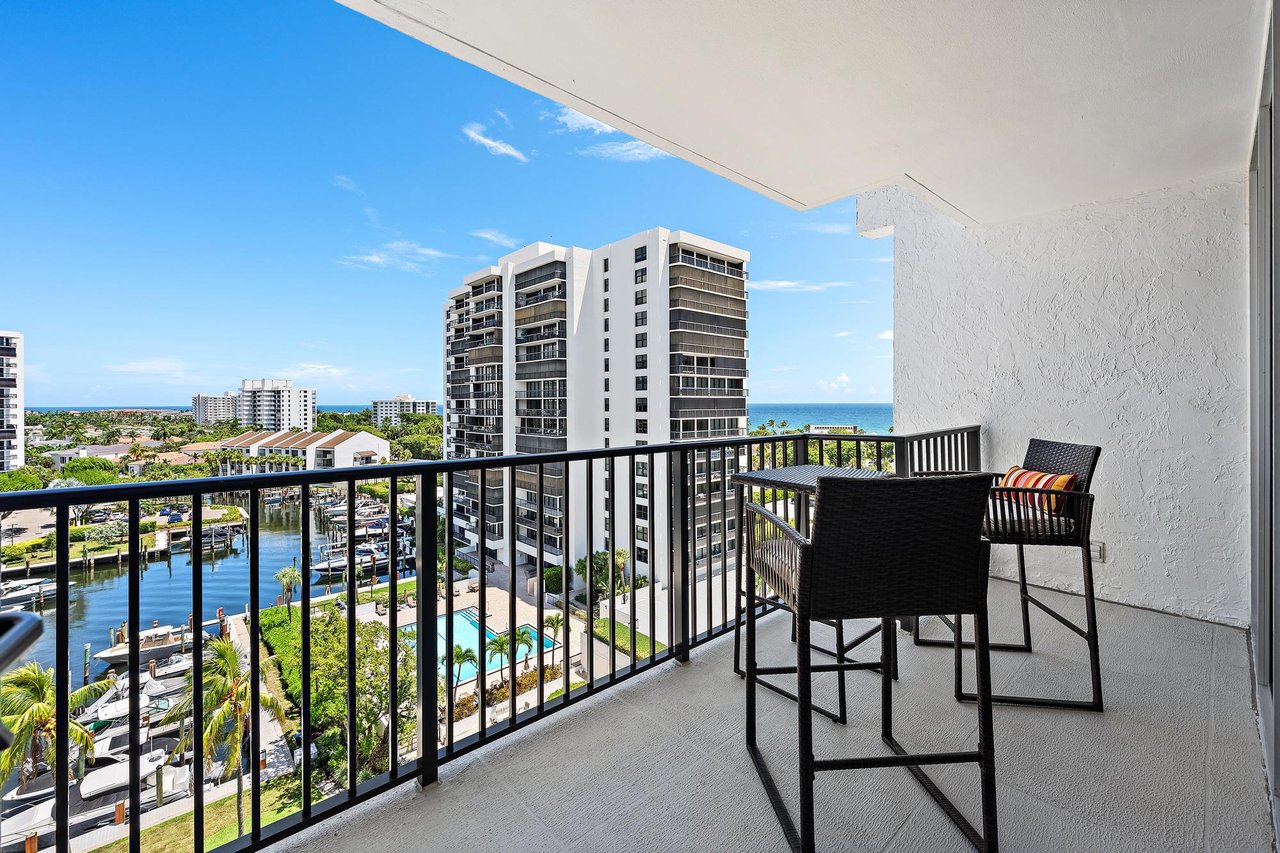
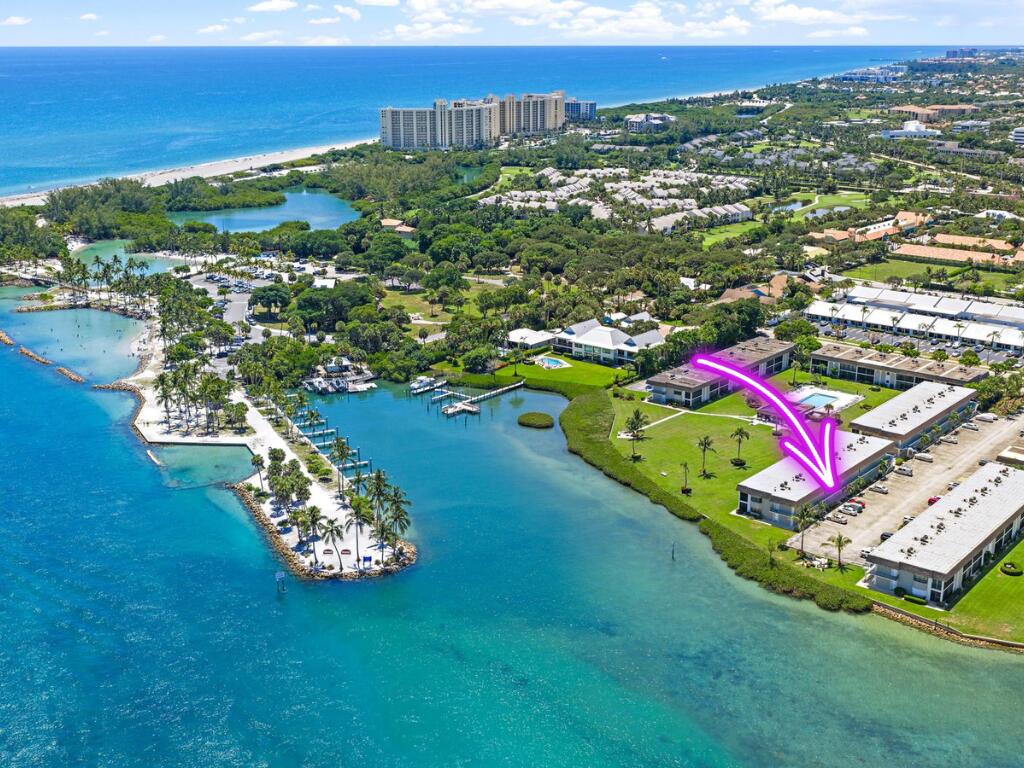
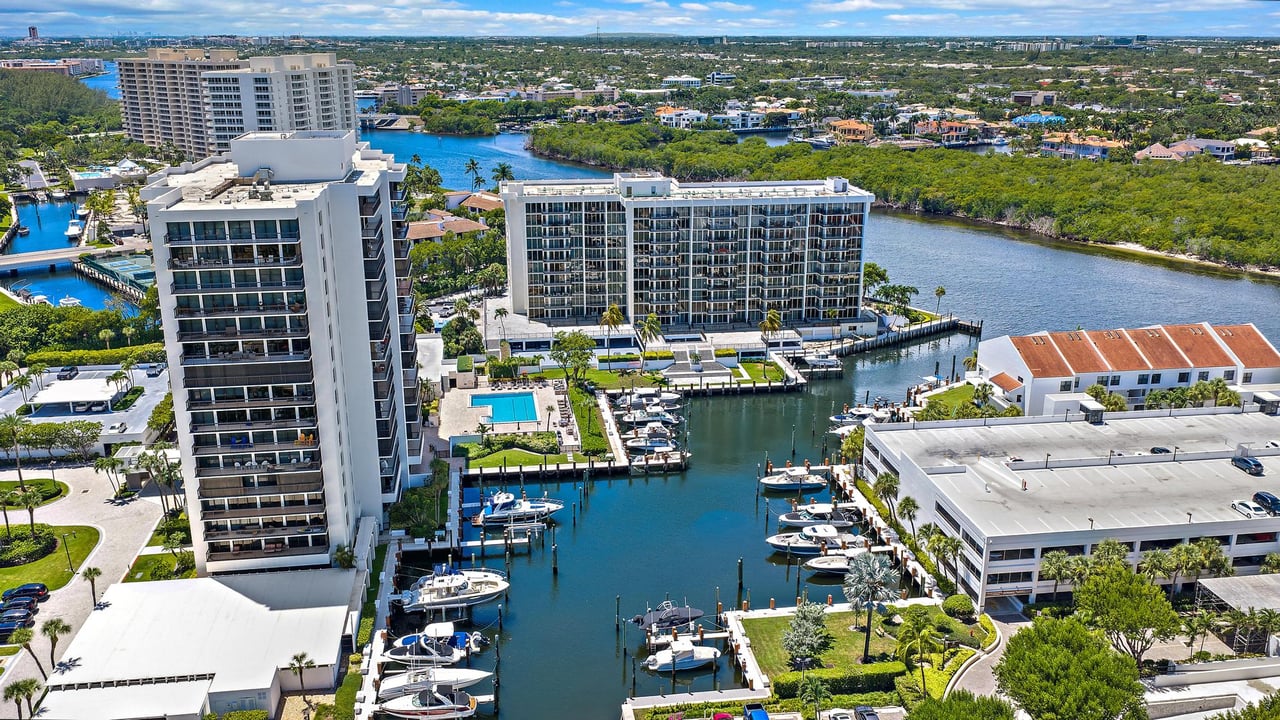
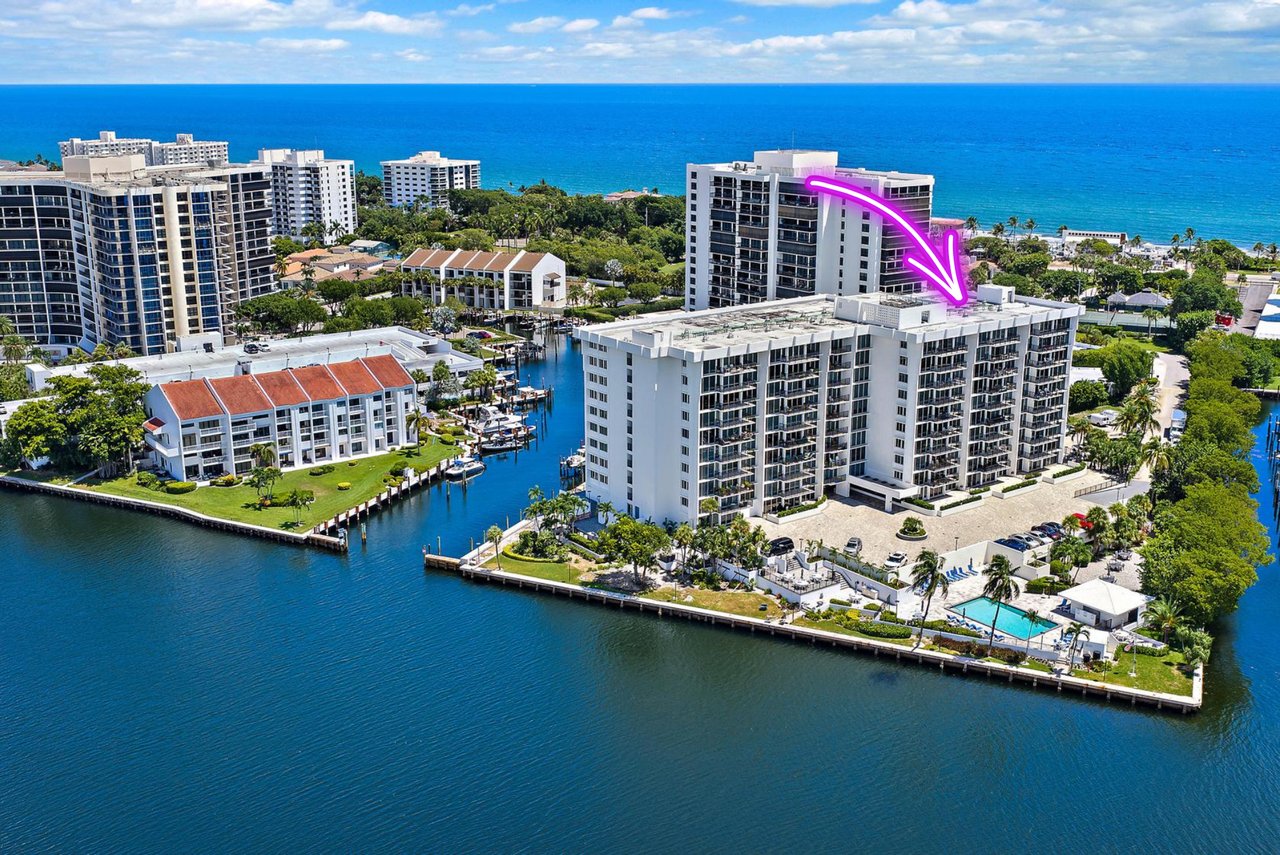
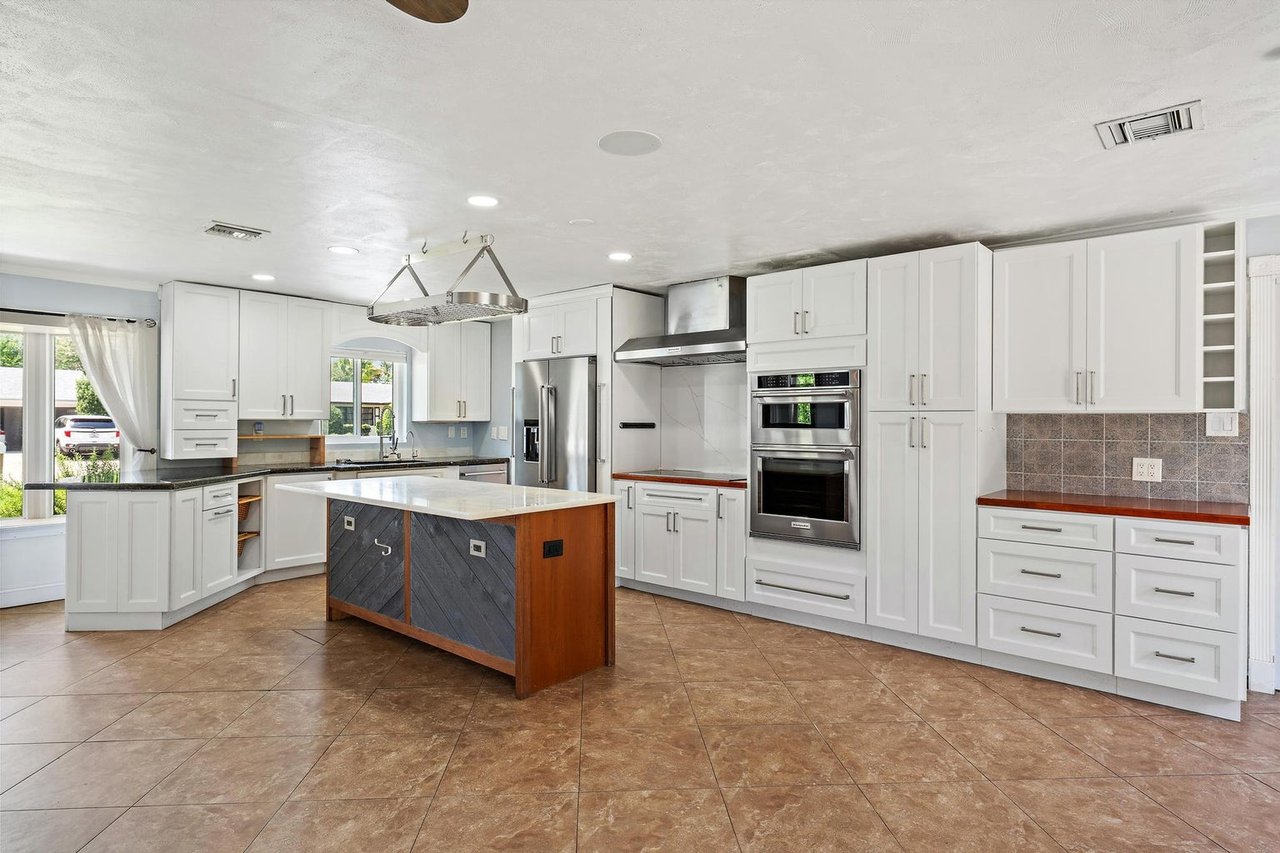
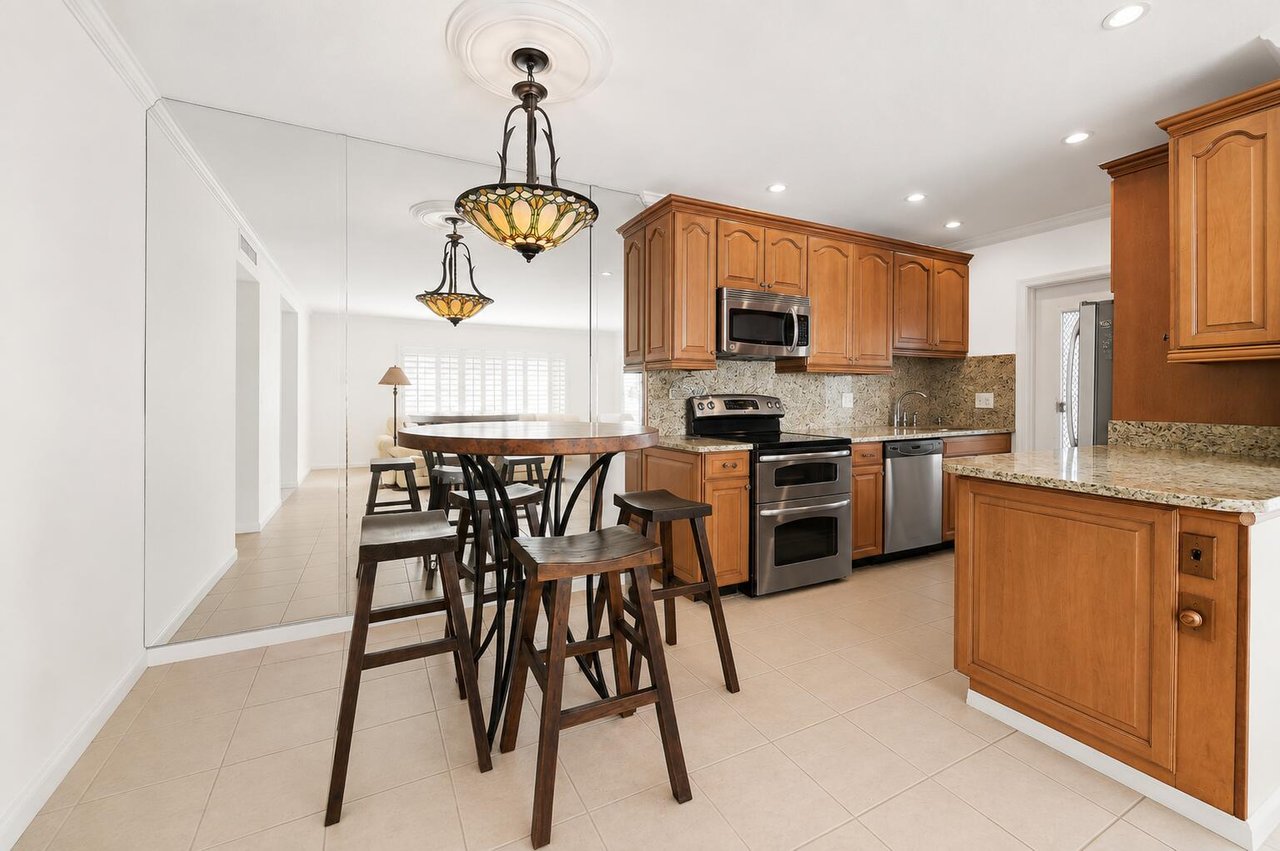
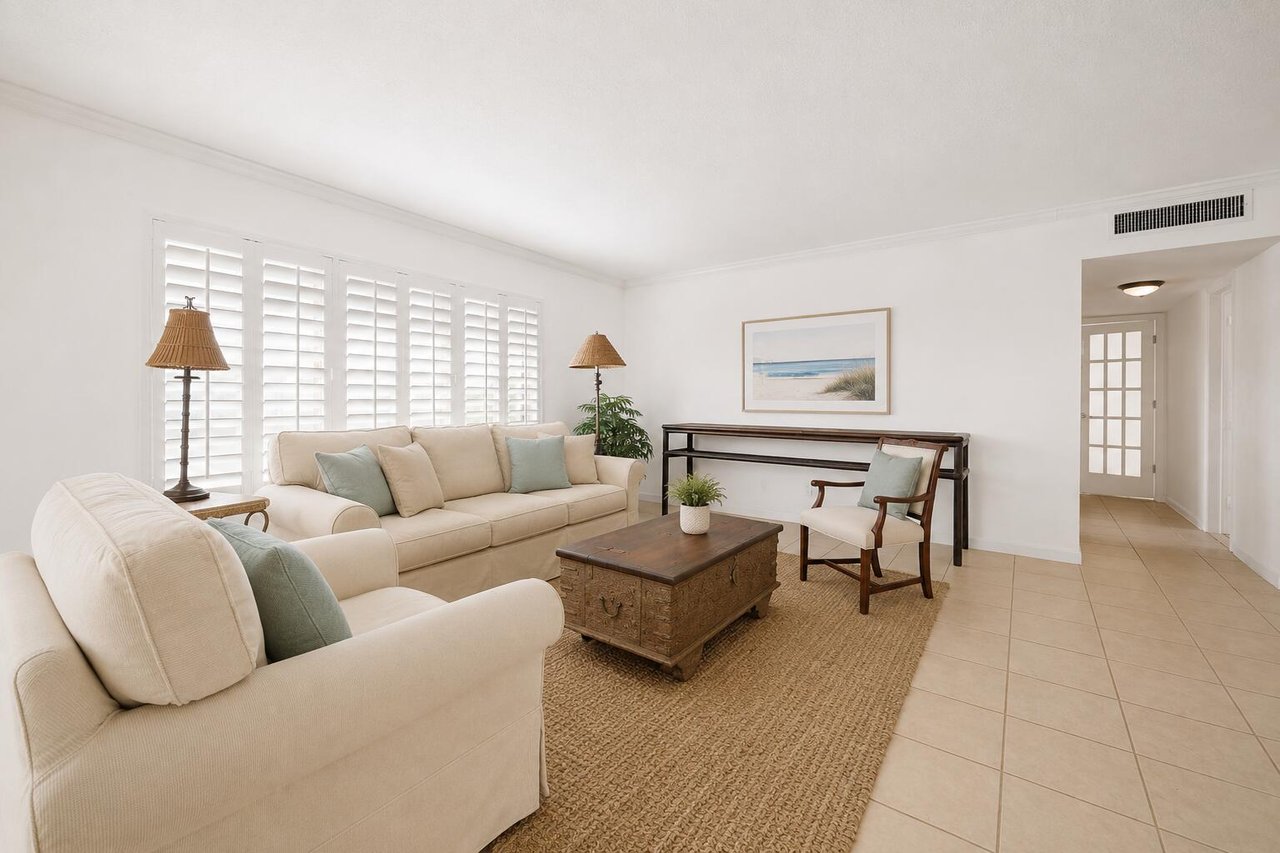
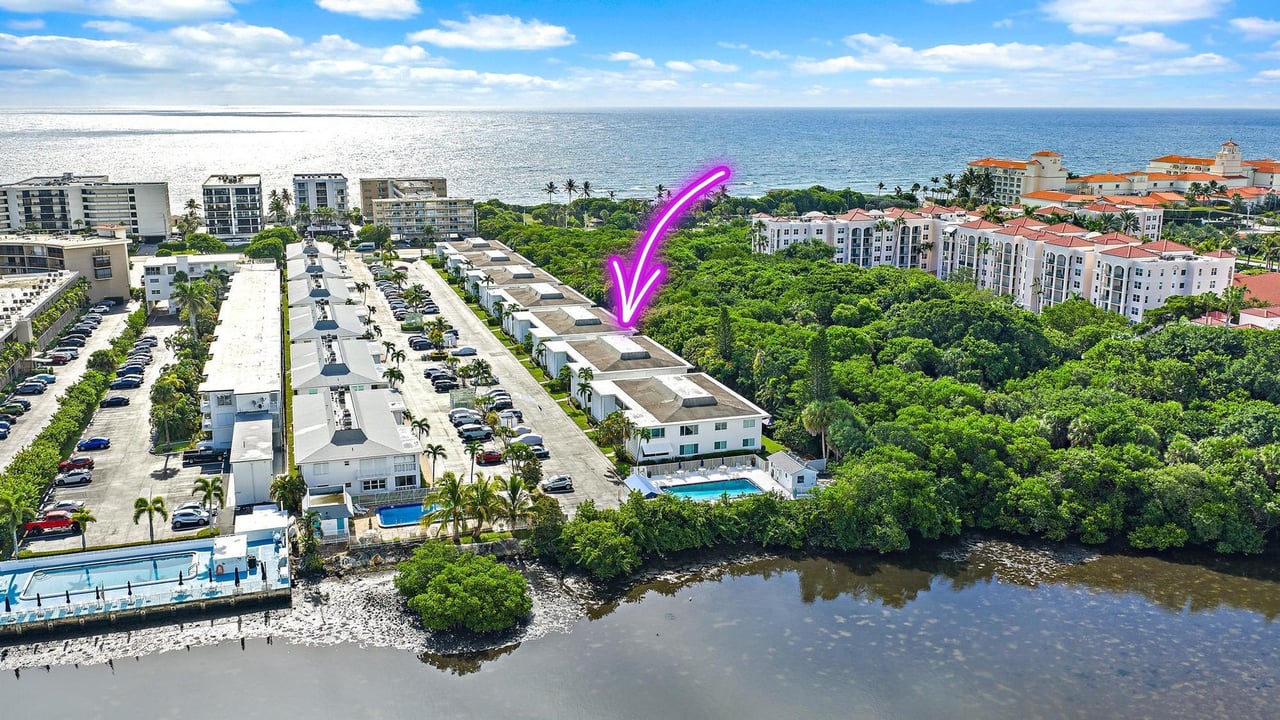
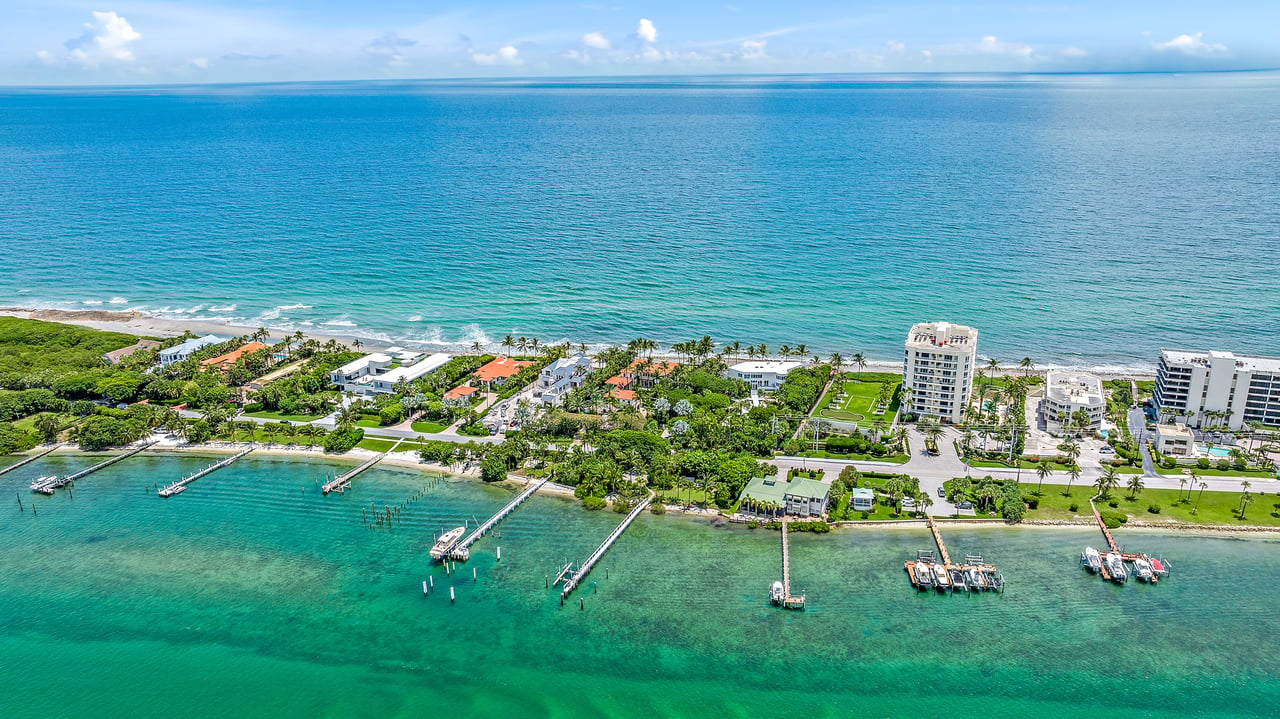
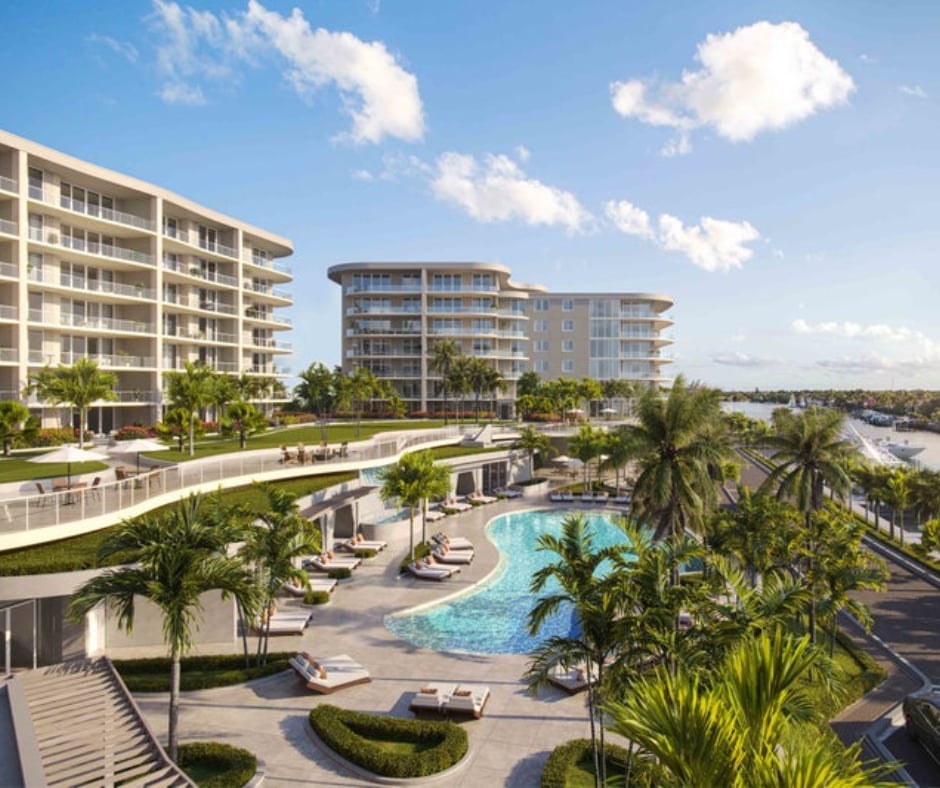
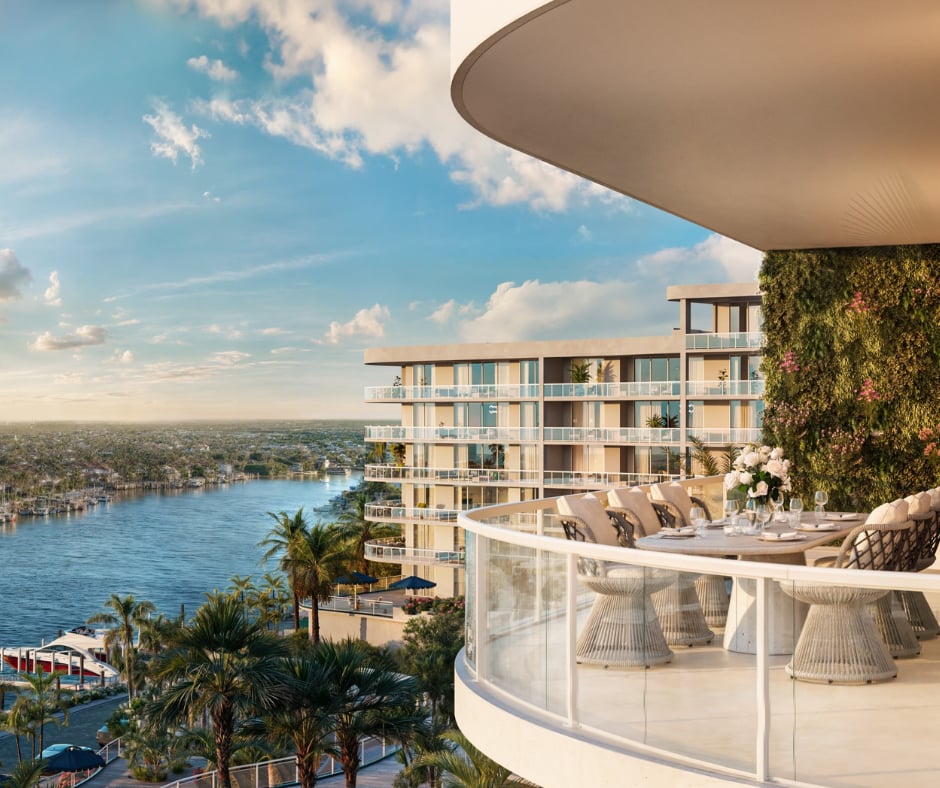
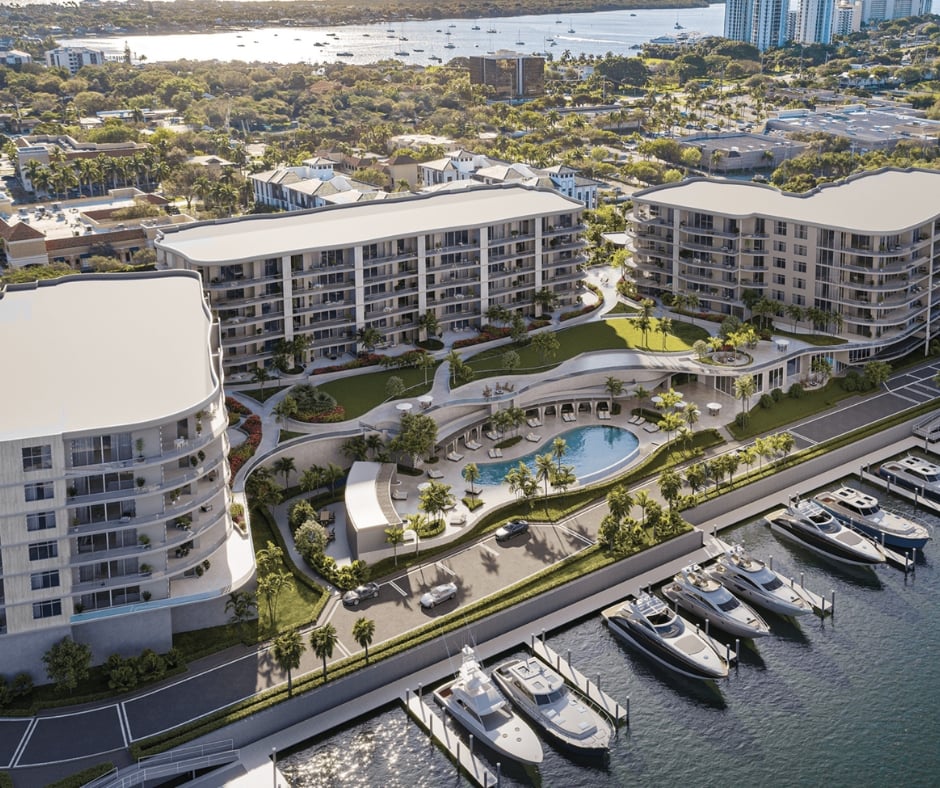
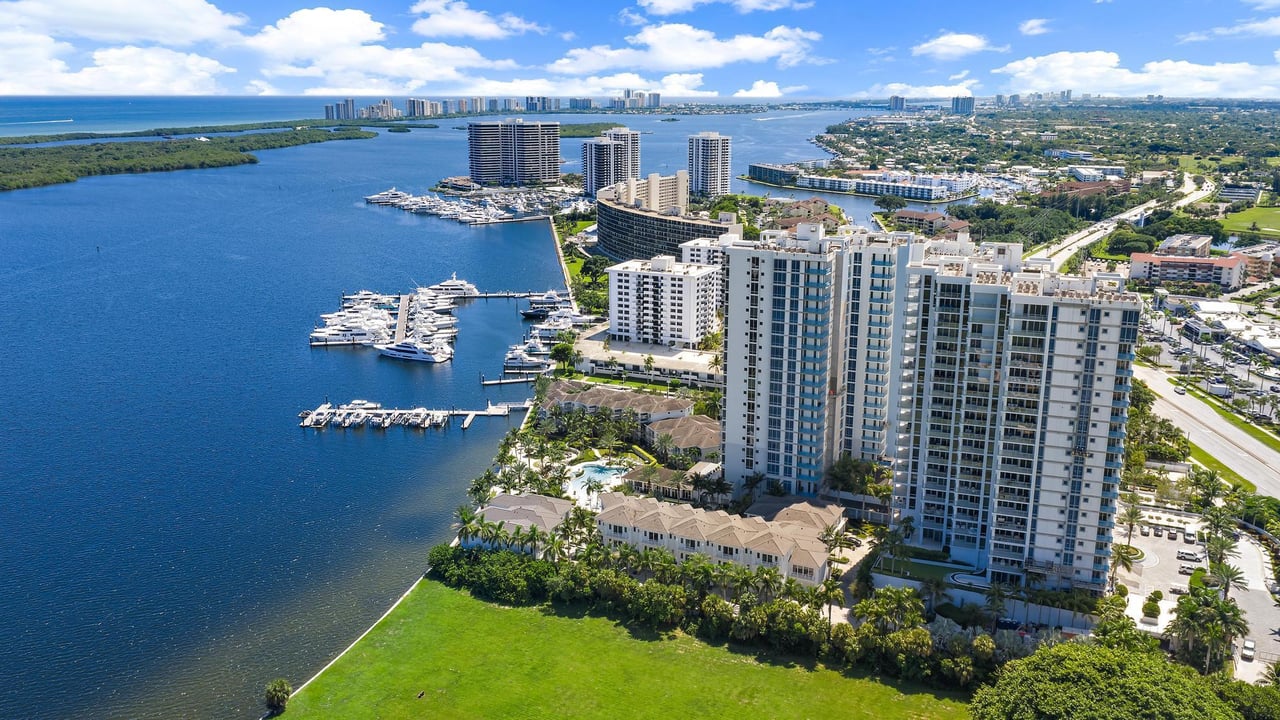
4750 S Ocean Blvd, Apt 912 in Highland Beach is a good example of the kind of building this due diligence applies to. The residence itself is fully renovated, with a European-style kitchen, quartz countertops, a wine refrigerator, and a remodeled primary bath, set in a building offering a pool overlooking the Intracoastal, marina and ocean views, and a private beach club with its own pool and entertainment space. For a buyer weighing a unit like this one, the same questions apply: what the HOA fee covers, how well-funded the building's reserves are, and what the rental policy allows, alongside the finishes and views that make the residence itself appealing.
None of this means condo ownership carries more risk than owning a single-family home. It means the risk shows up in a different place: the building and its finances rather than the roof over your own head. A well-managed building with healthy reserves, reasonable fees, and clear rental policy can be a straightforward and low-maintenance way to own property in South Florida, particularly for buyers who want a second home or a lock-and-leave residence without the upkeep a house requires.
If you're evaluating condo buildings anywhere along the coast, including a unit like the one at 4750 S Ocean Blvd, the Meyer Lucas Team can help you get past the surface-level listing details and into the building specifics that actually affect ownership, fees, reserve health, and rental policy, before you're deep into a negotiation.
The Meyer Lucas Team is a luxury real estate team serving buyers, sellers, investors, and those relocating throughout Jupiter, Palm Beach Gardens, North Palm Beach, Juno Beach, Tequesta, West Palm Beach, and communities across Palm Beach County and Martin County. We love sharing what's happening inside our team, throughout our local communities, and across the ever-evolving world of luxury real estate.
📞 Call or Text: 561-406-5228
📩 Email: [email protected]
🌐 Learn more and meet the team: meyerlucas.com
🔍 See homes for sale: Home Search