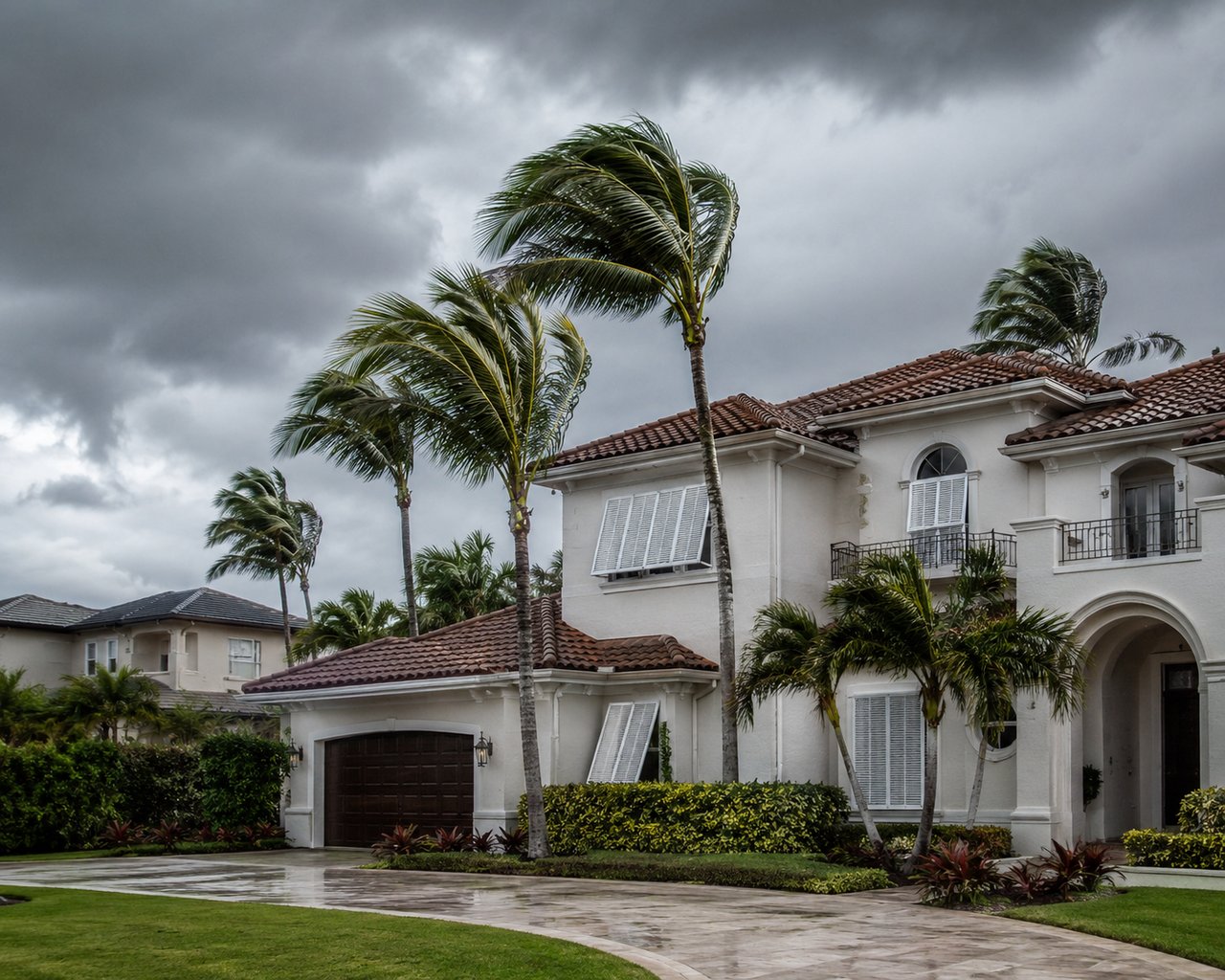
Families moving to South Florida from the Northeast or the Midwest usually ask about hurricanes before they ask about anything else. The Atlantic hurricane season runs from June 1 through November 30, with peak activity from mid-August to mid-October. Locals plan around it the way people up north plan around snow. The home itself does most of the work. The right features let a household stay comfortable through a storm and the days of cleanup that can follow, and they cut down on the work of preparing each time a storm heads toward the coast.
This guide covers the features to look for while touring homes in Jupiter, Tequesta, and Palm Beach County. It explains what each one does and why buyers ask about it. It also walks through a single-story home in North Passage that has many of them in place.
Impact-Rated Windows and Sliders
Impact glass is laminated so it holds together when struck by windborne debris. Once impact windows and doors are installed, the glass is the protection, so there are no panels to carry out of the garage and bolt up when a storm is forecast. Homes without impact glass rely on shutters, which work well but take time to put up and take down, often more than once in a season.
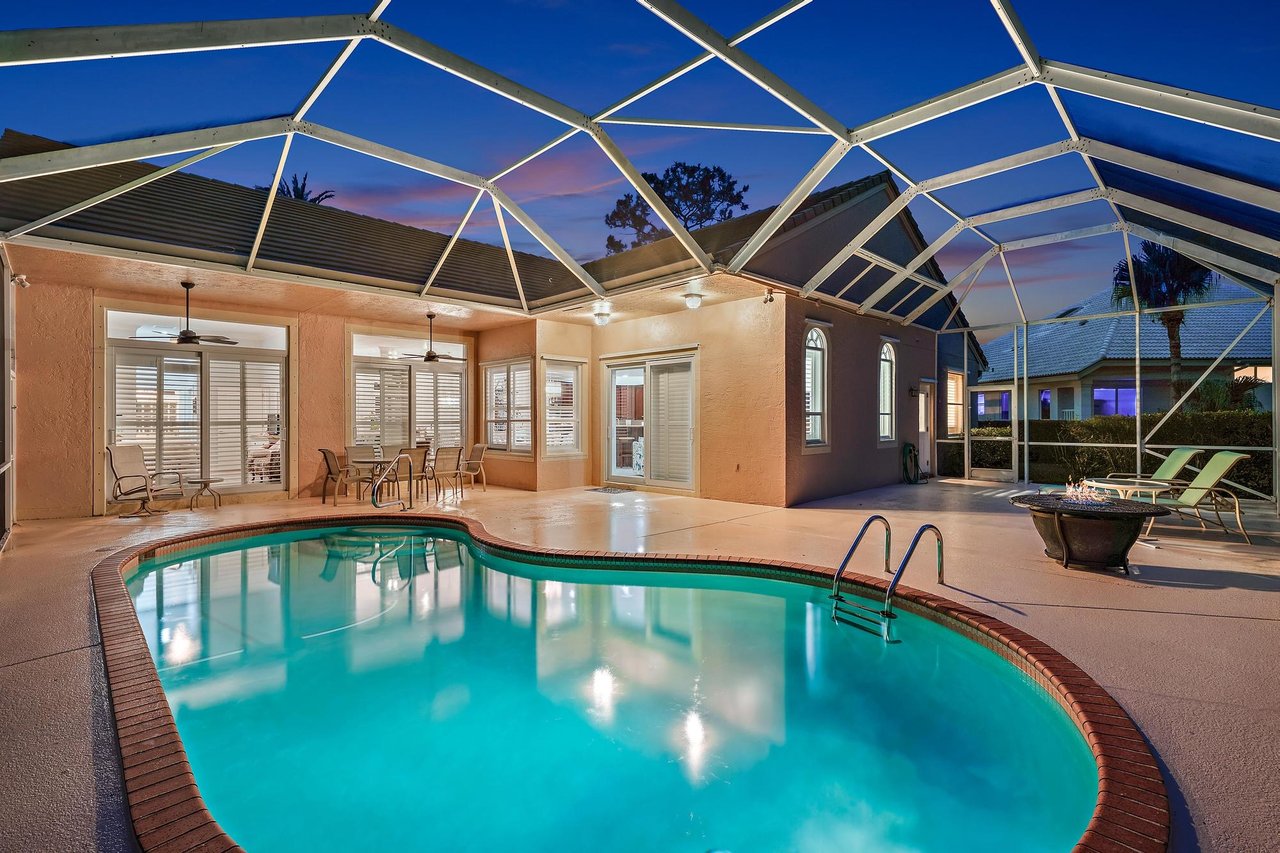
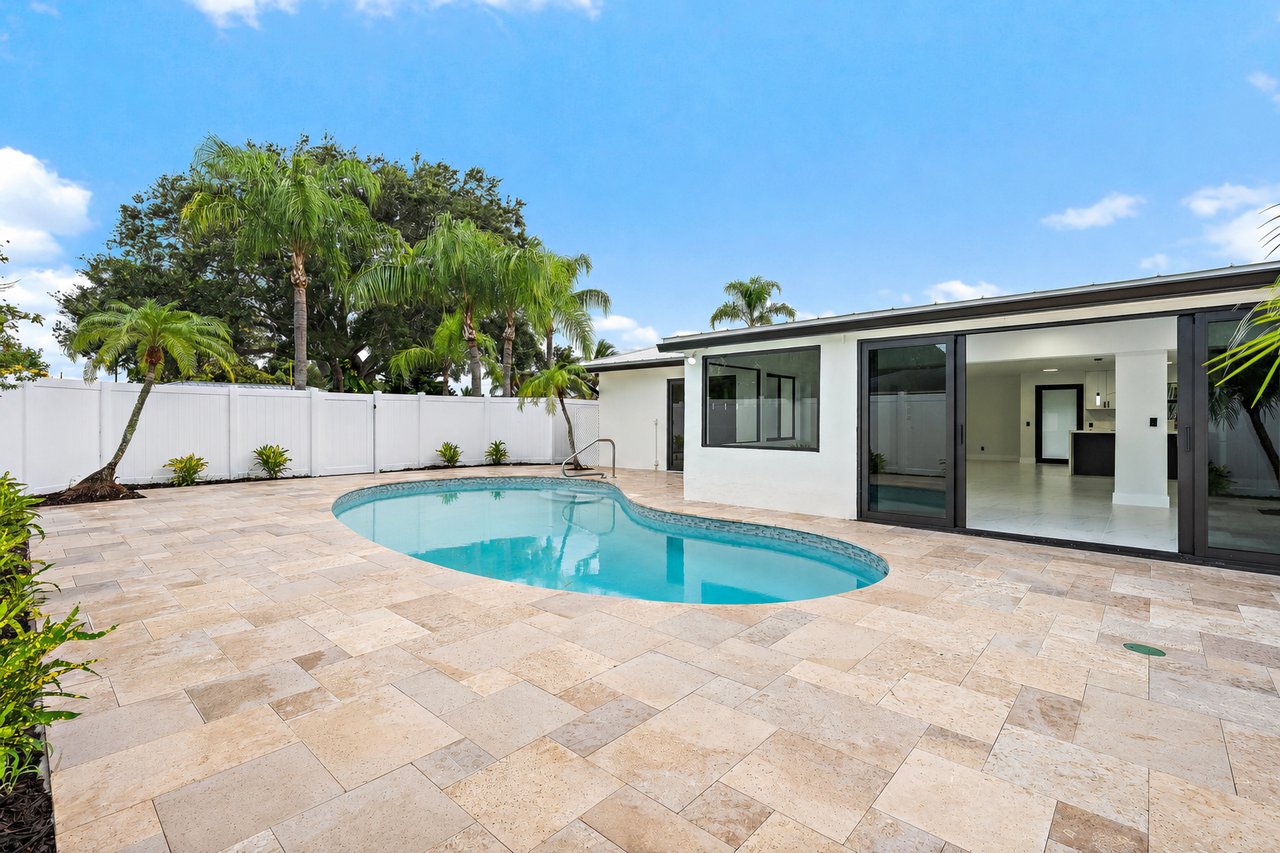
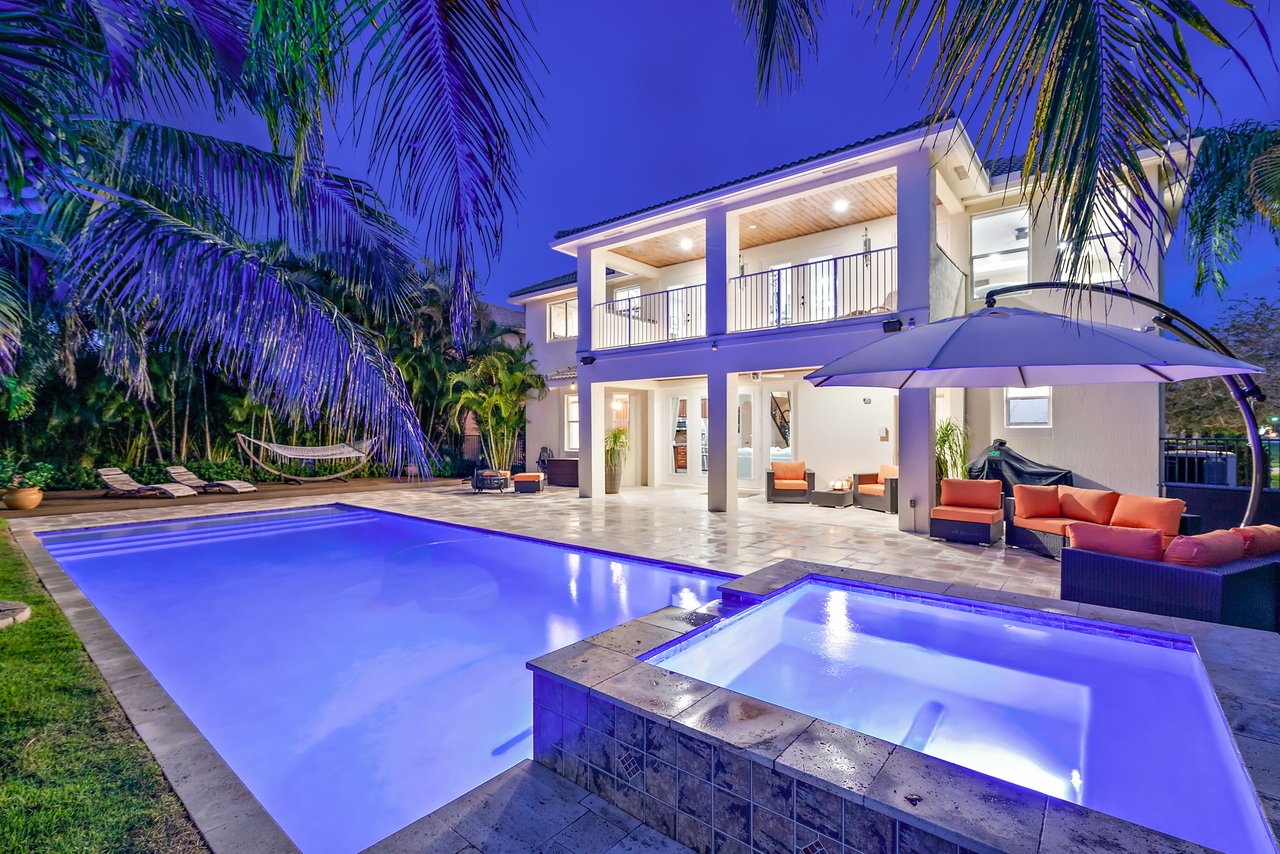
Sliding glass doors deserve extra attention on a tour. They are usually the largest openings in a Florida home, and they face the pool and backyard where outdoor furniture and plants can become debris in high wind. Impact-rated sliders protect that wall of glass and keep the view to the pool open all season.
Backup Power: Portable vs. Whole-House Generators
Power outages after a storm can last hours or days, depending on the damage to local lines. A generator decides whether a family can keep running the refrigerator, lights, internet, and air conditioning during that time.
Portable generators are the entry-level option. They have to be wheeled outside, fueled, started, and connected to selected appliances. For safety, they need to run outdoors, well away from windows and doors, because of carbon monoxide. Whole-house generators are permanently installed and wired to the home's electrical system. They're sized to power the house, and they run on a gas supply. For a family with kids, working parents, or anyone who needs reliable air conditioning, a whole-house system means far less disruption.
Fuel Source: Why Buyers Ask About Propane
A generator is only as useful as its fuel supply. Portable units usually run on gasoline, which means refilling cans and sometimes waiting in lines at gas stations after a storm. Whole-house generators typically run on natural gas or propane. Natural gas comes through a utility line, and availability depends on the neighborhood. Propane is stored on the property in a tank, so the fuel is already in the yard when a storm arrives. Many owners schedule a refill before hurricane season so the tank is full going into August.
Propane also powers appliances. A home with a gas range uses the same supply for cooking, which keeps the kitchen running during an outage without drawing heavily on the generator.
Air Conditioning in the Days After a Storm
Hurricanes pass through quickly. The humidity that follows them often lasts for days. A newer HVAC system paired with a generator sized to run it keeps the house cool and dry while the neighborhood waits for power to come back. Buyers comparing homes should ask how old the air conditioning system is and whether the generator can run it.
Single-Story Layouts
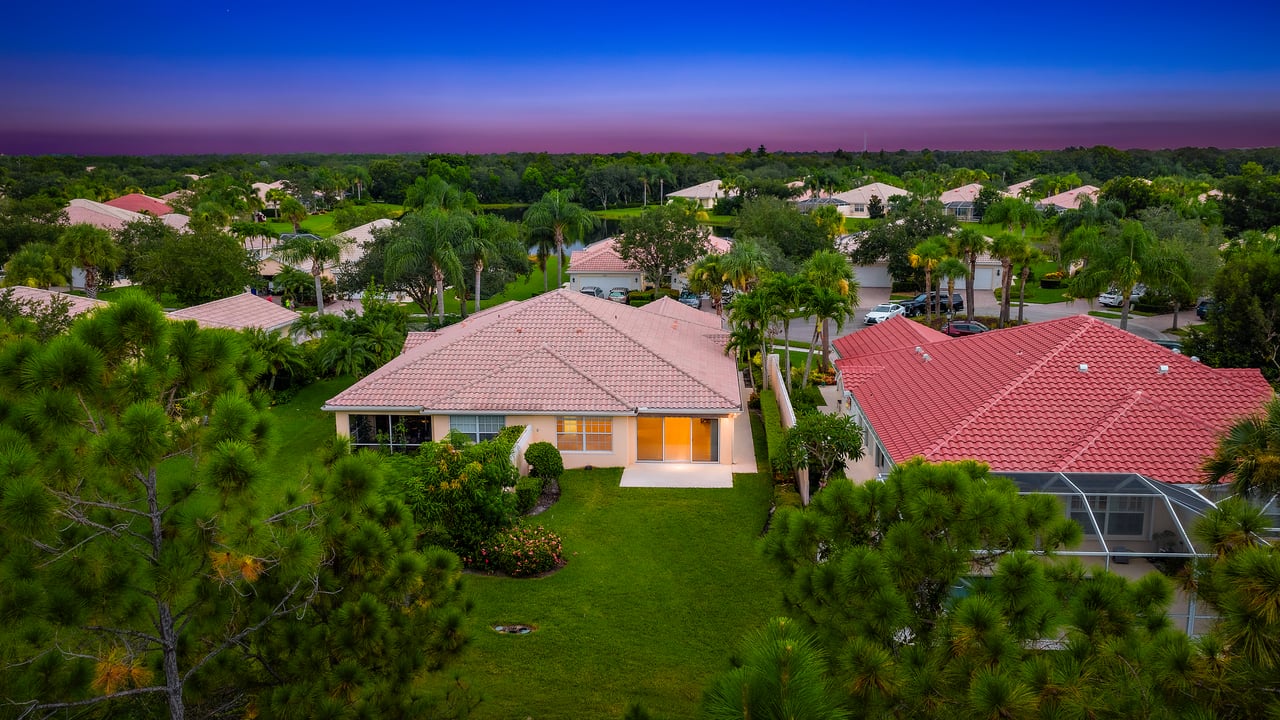
Single-story homes are popular with Florida families for everyday reasons: no stairs for toddlers, easy flow to the pool, and room for everyone on one level. During storm season, the layout makes preparation simpler too. All of the windows and doors are on the ground floor, the family stays together on one level, and moving between rooms during a storm doesn't involve a staircase.
The Community Around the Home
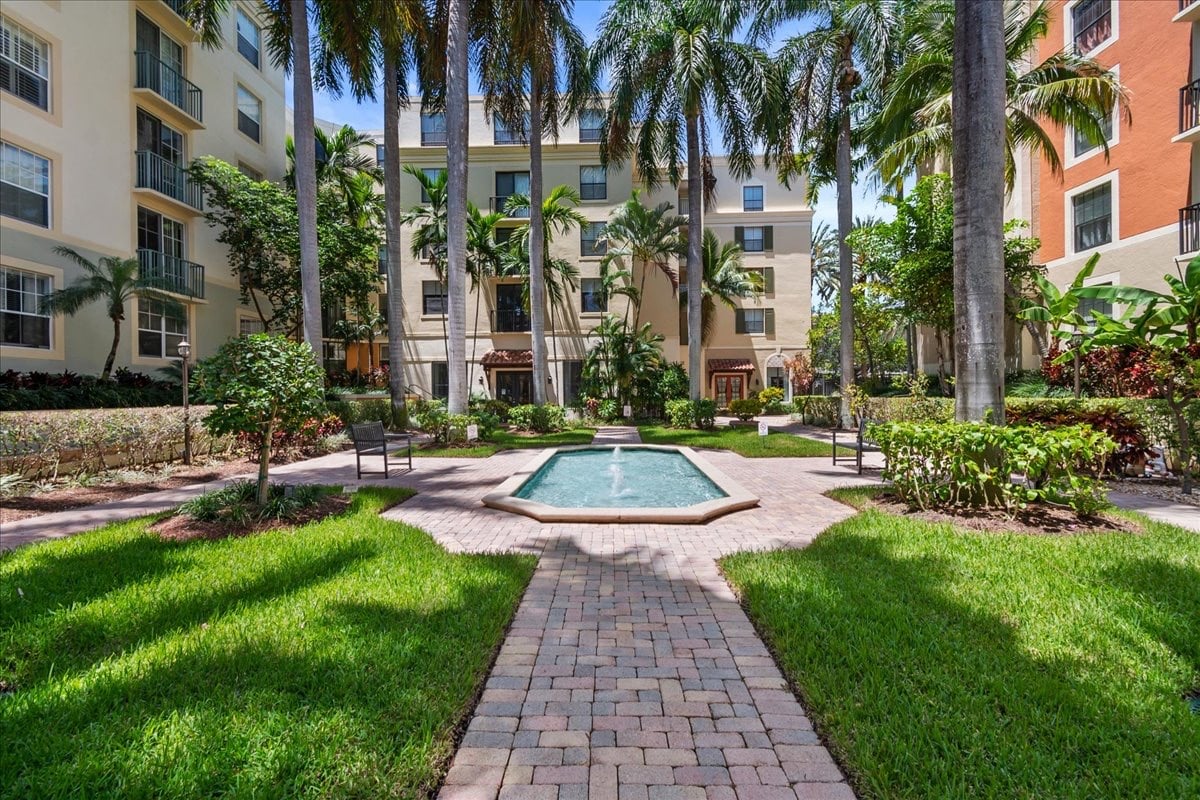
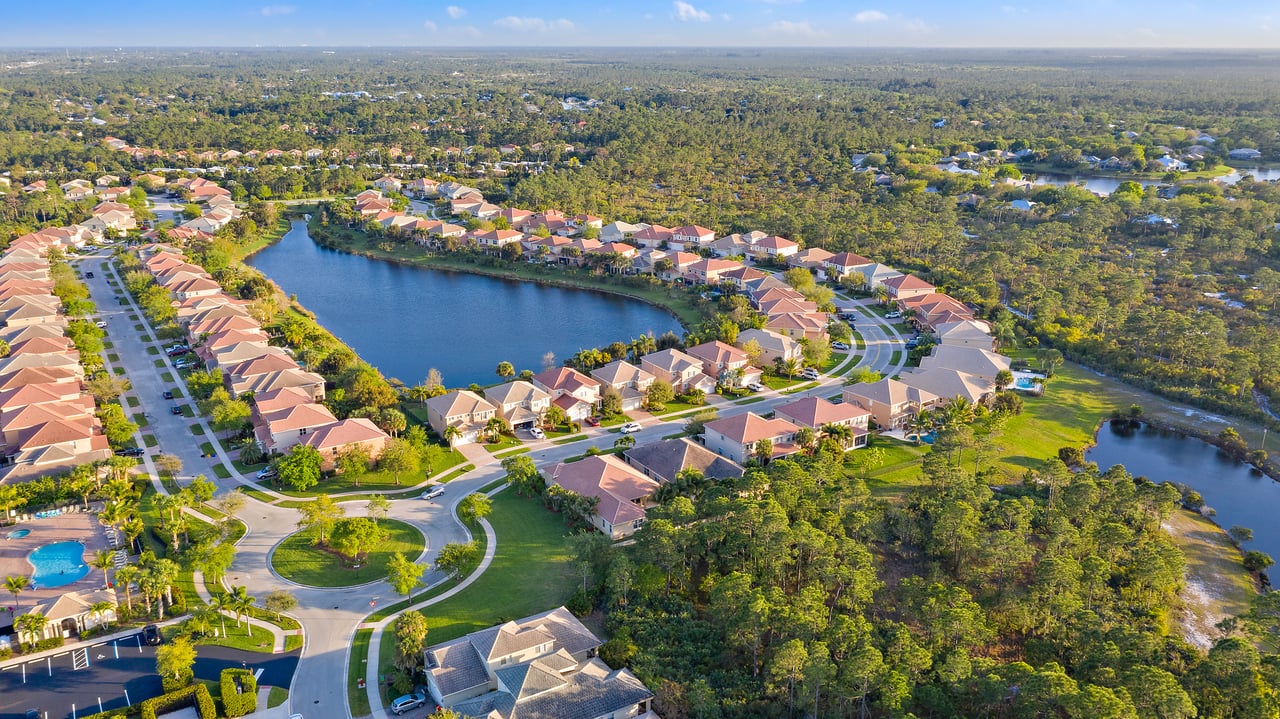
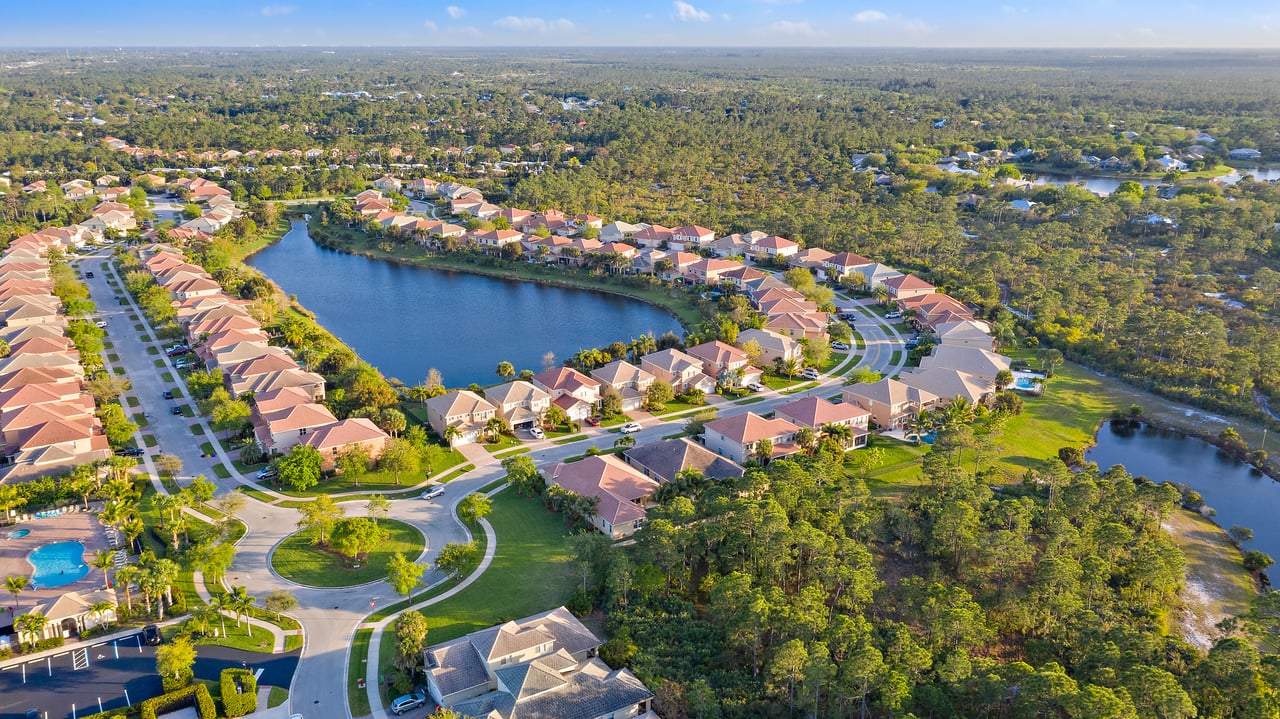
Hurricane readiness also depends on the neighborhood. In gated communities, HOAs often manage common-area landscaping and storm cleanup, and a staffed gate keeps an eye on the entrance in the days after a storm. If you're still comparing neighborhoods, our guide to gated communities near Jupiter and Tequesta covers how gates, HOA amenities, and county lines differ across the area.
Questions to Ask When Touring Homes
Bring these questions to every showing during your search:
- Are the windows and sliders impact-rated? If not, ask what type of shutters the home uses and where they're stored.
- Does the home have a whole-house generator? Ask what it powers and what fuel it runs on.
- Is there a propane tank on the property? Ask about its size and which appliances it supplies.
- How old is the HVAC system? Newer systems handle post-storm humidity with less strain.
- Where does the family ride out a storm? Walk the layout with that question in mind.
A North Passage Home With Storm-Season Features in Place
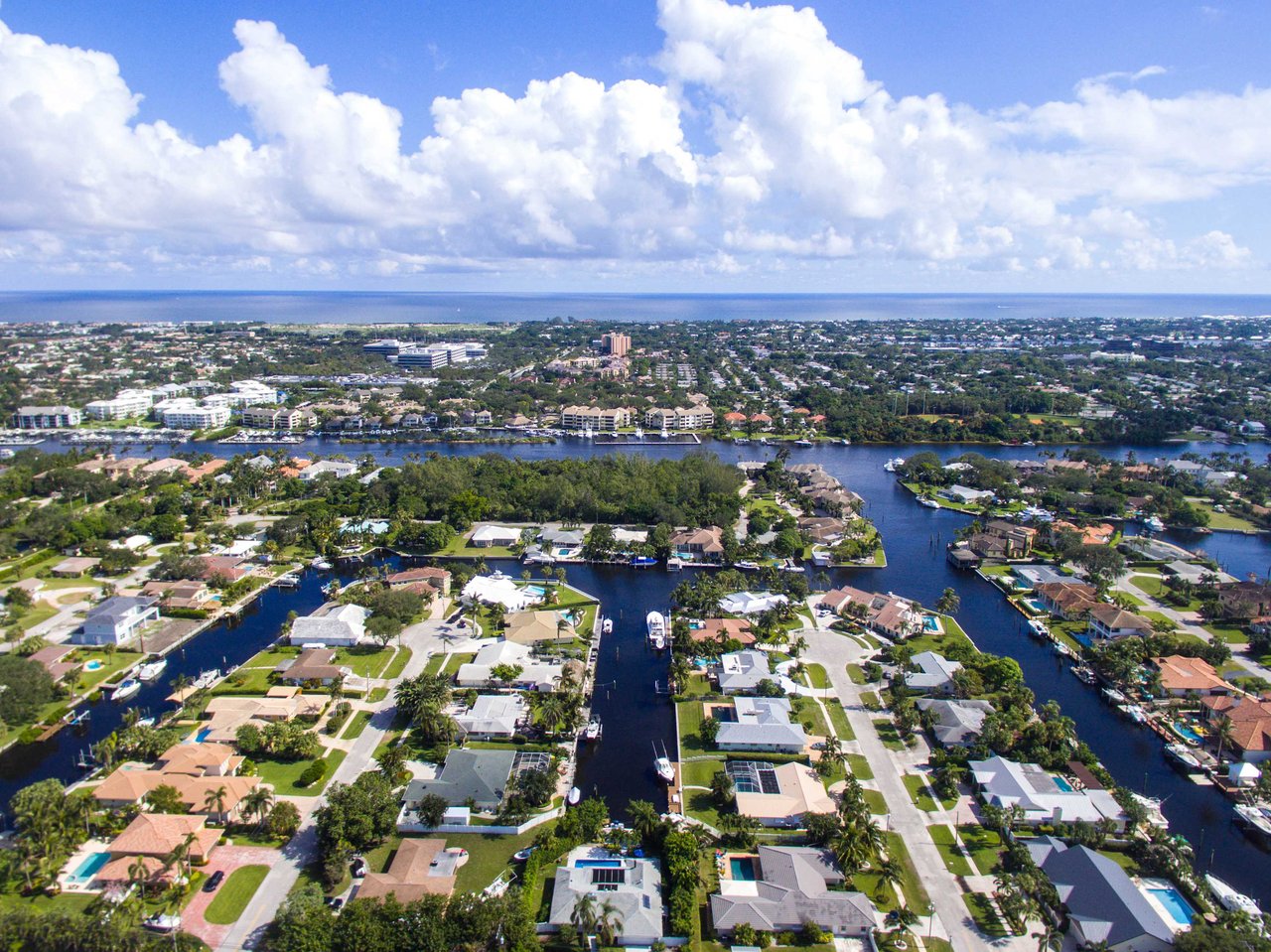
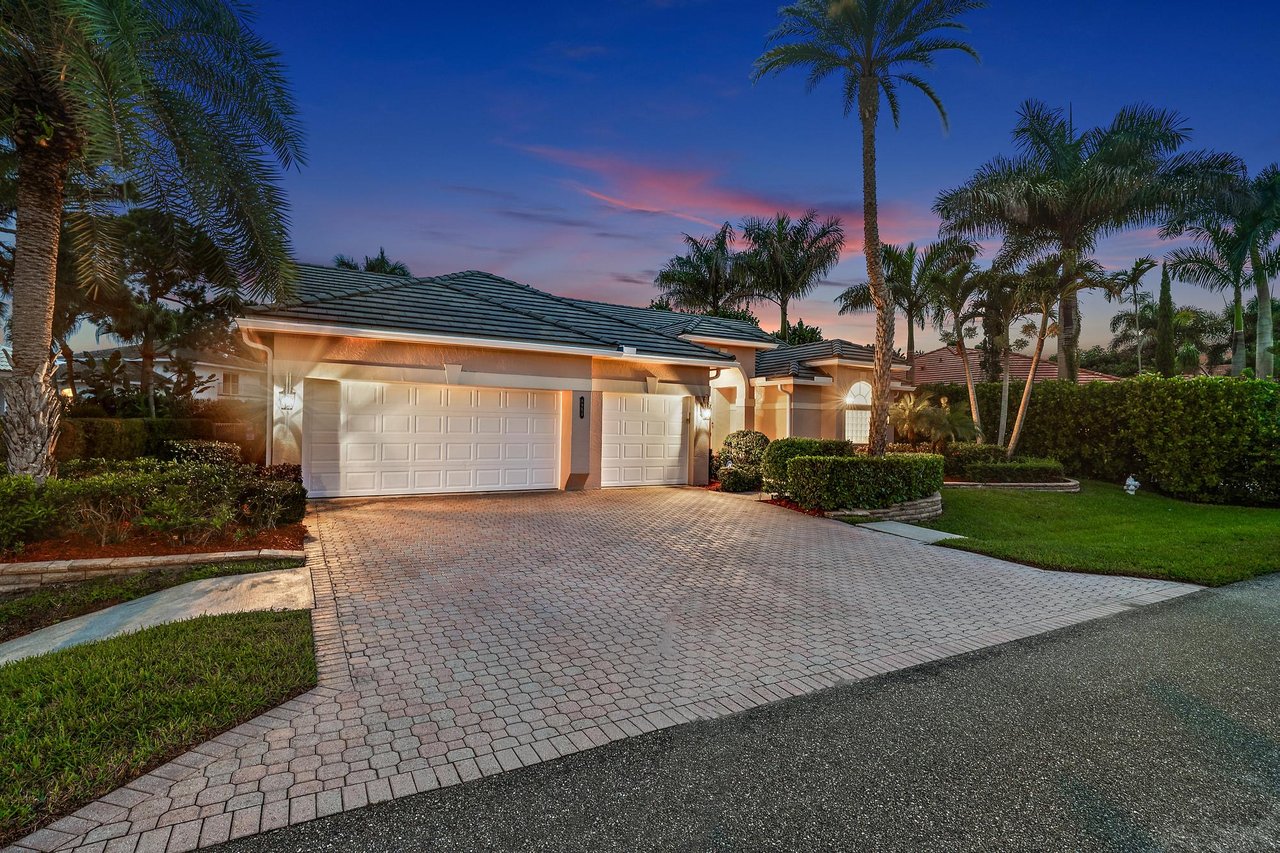
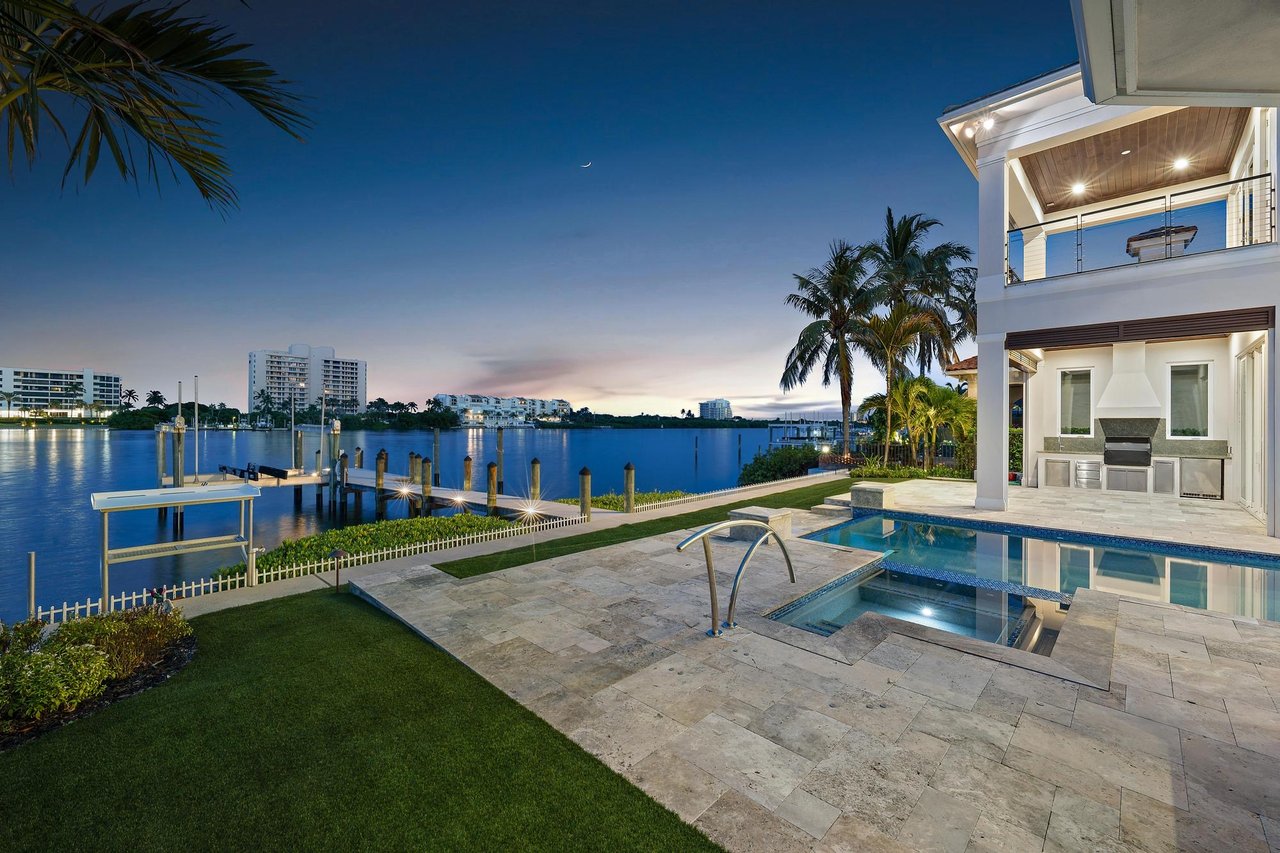
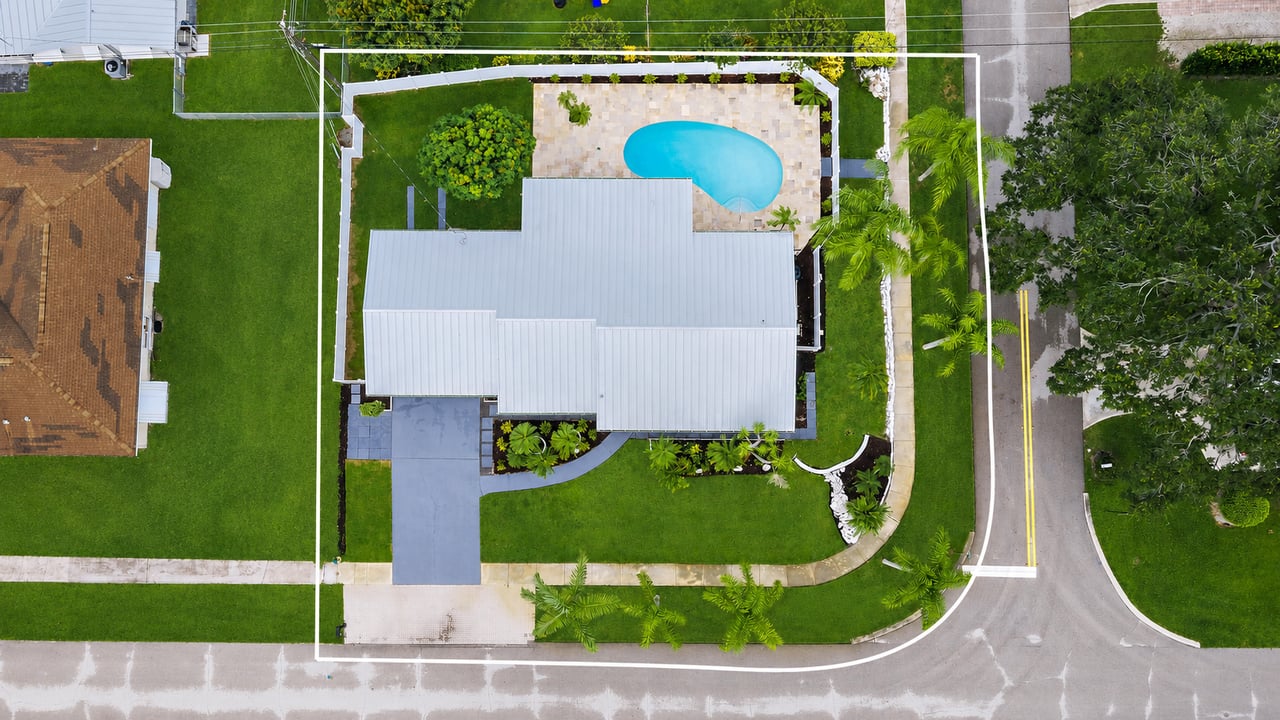
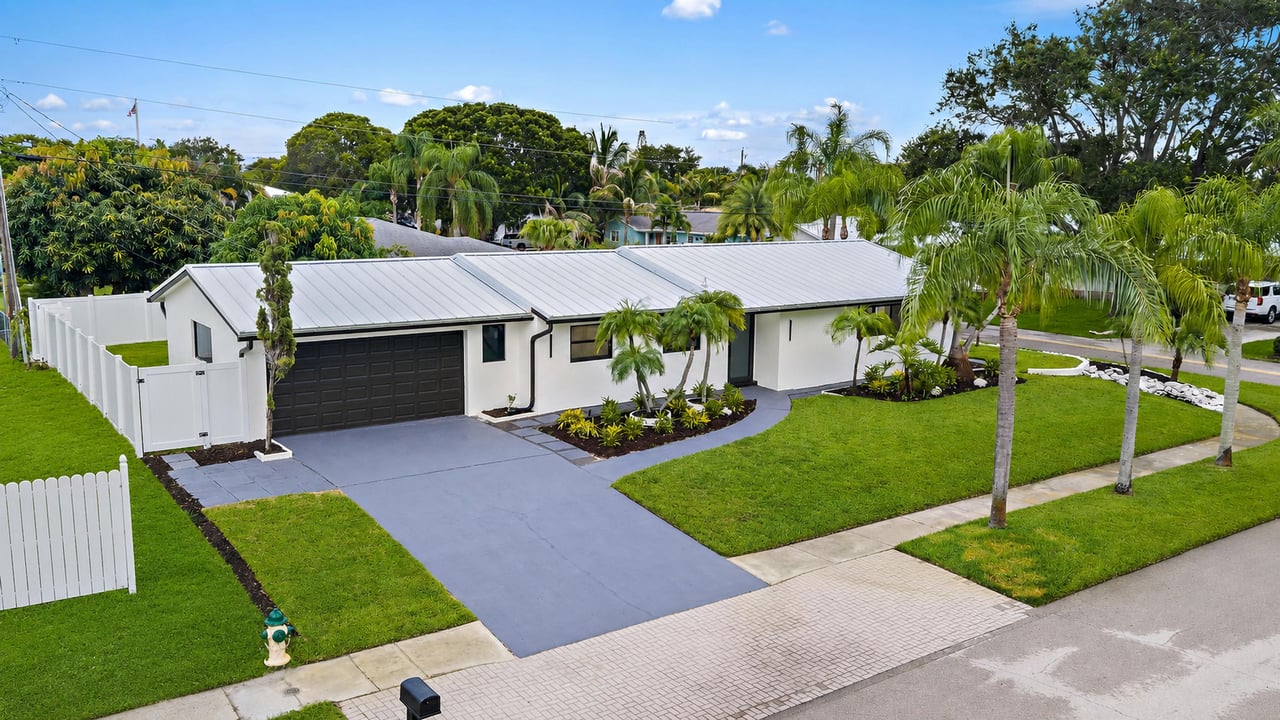
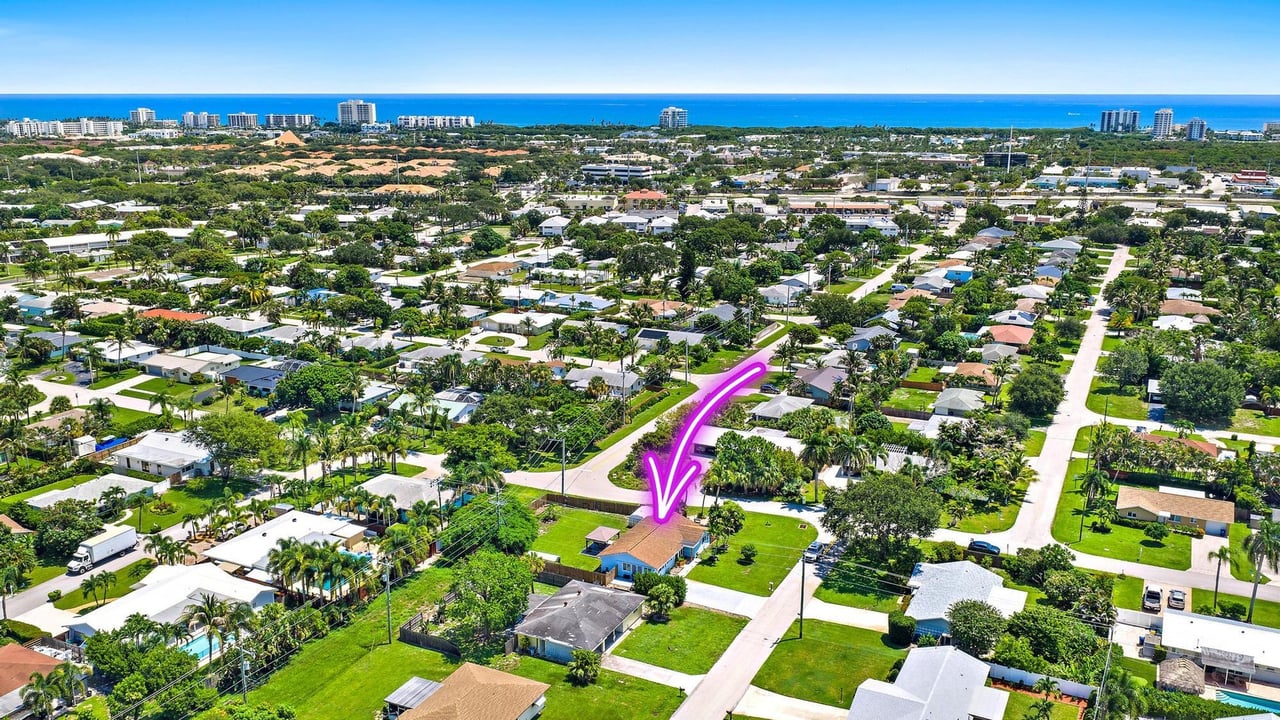
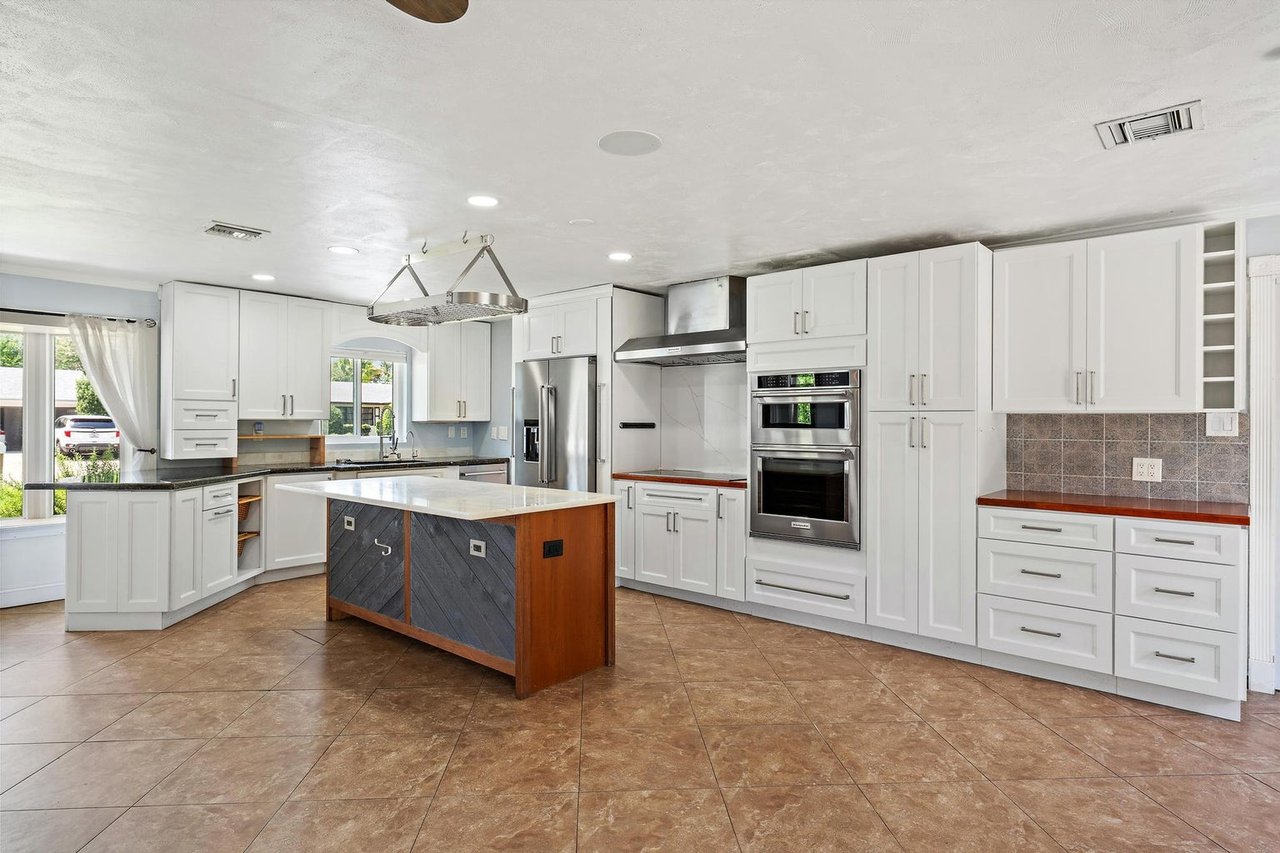
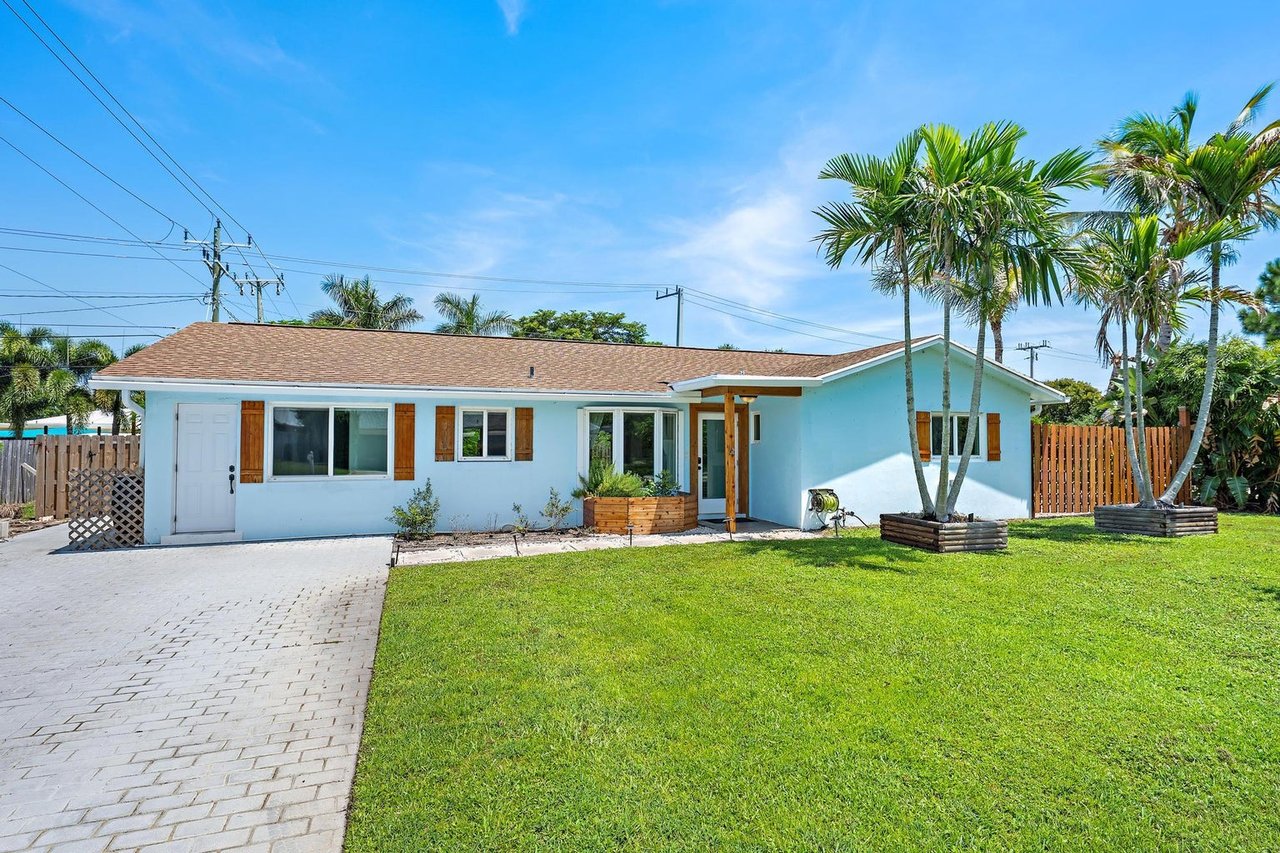
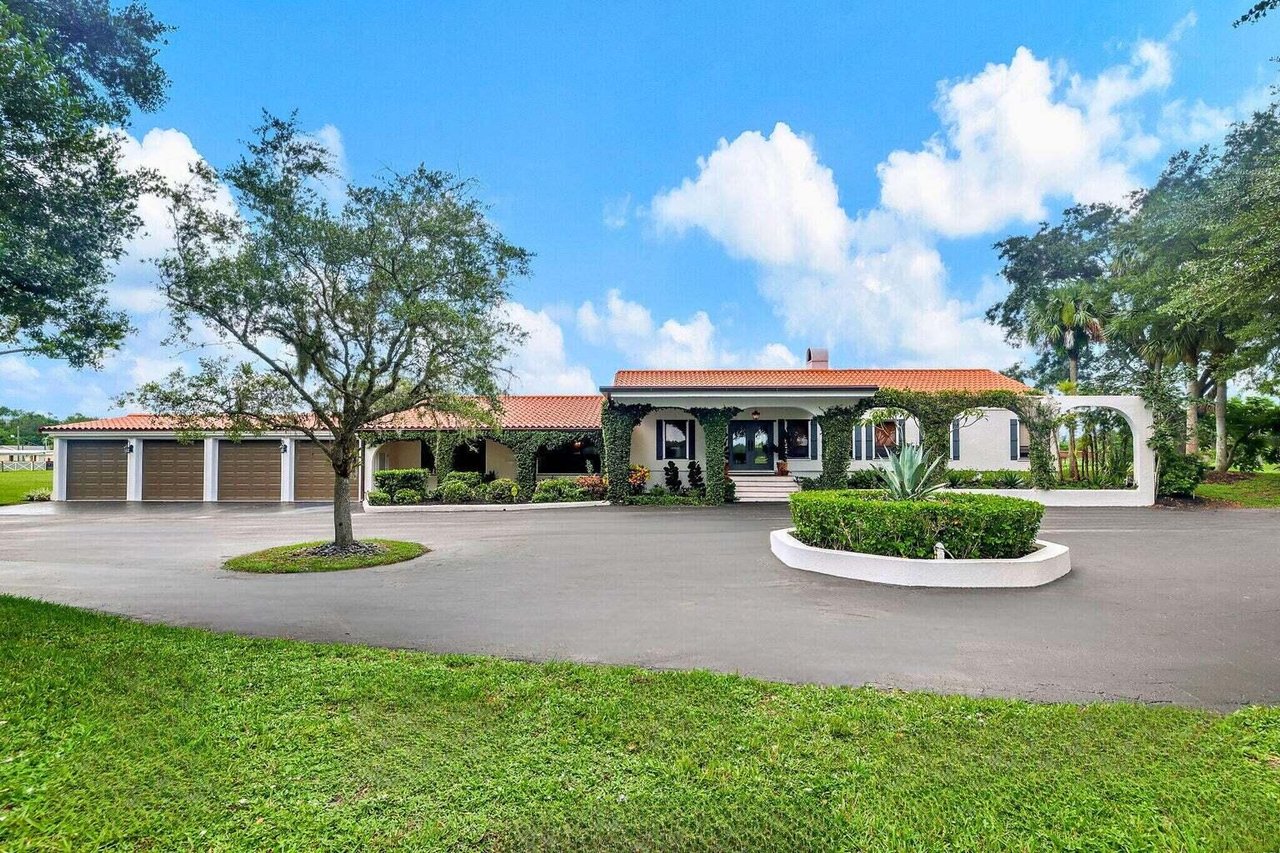
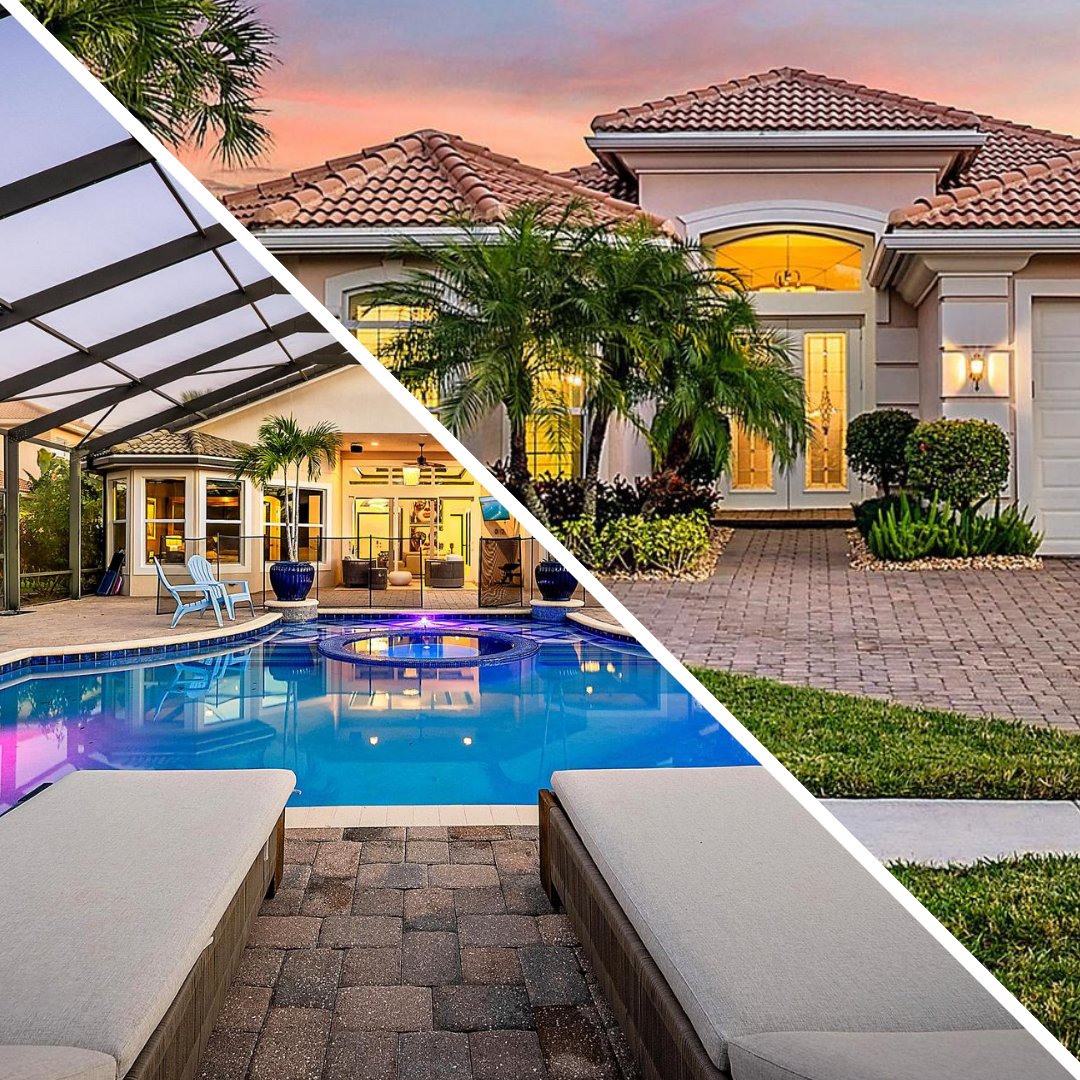
8954 SE Water Oak Place in North Passage shows how these features come together in one house. The single-story home has four bedrooms, three bathrooms, 2,338 square feet of living space, and a 3-car garage on a .31-acre lot at the end of a canal.
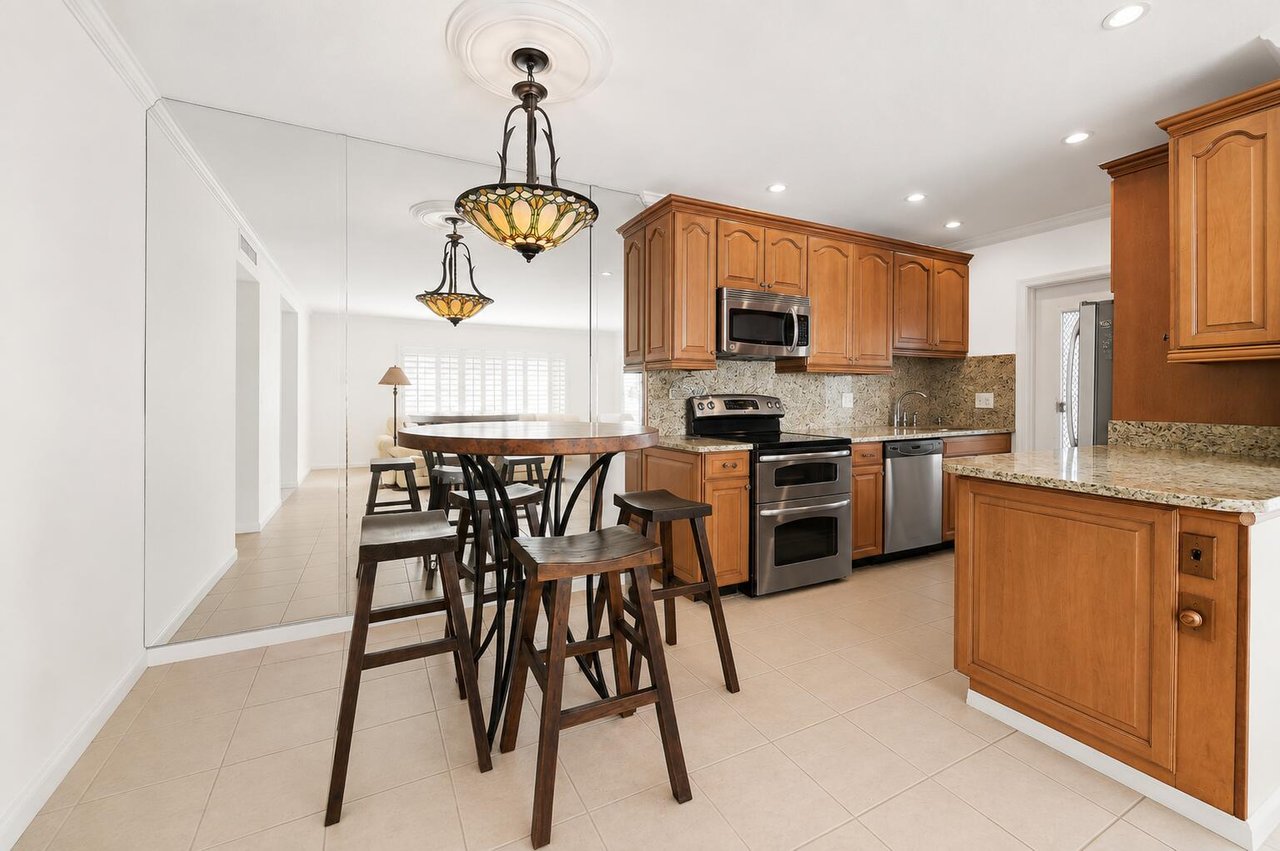
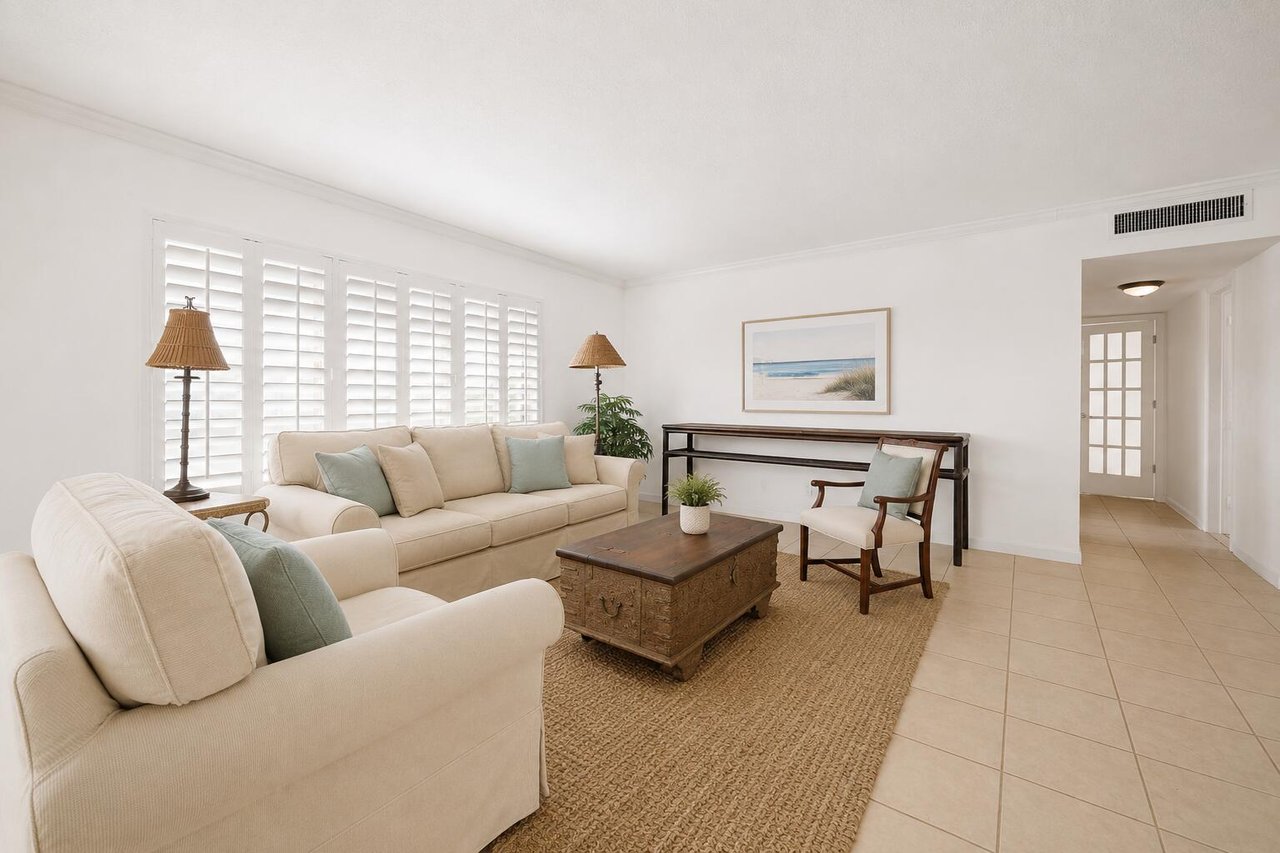
The sliders are impact-rated, protecting the openings that face the screen-enclosed pool. A full-house generator provides backup power, and a 500-gallon propane tank on the property supplies it along with the gas range in the kitchen. The HVAC system is new as of 2026, and the exterior has been freshly painted. Inside, the home has been updated with marble floors, granite countertops, and stainless steel appliances. With everything on one level, the house is set up for a family to get through the season with less preparation and less disruption.
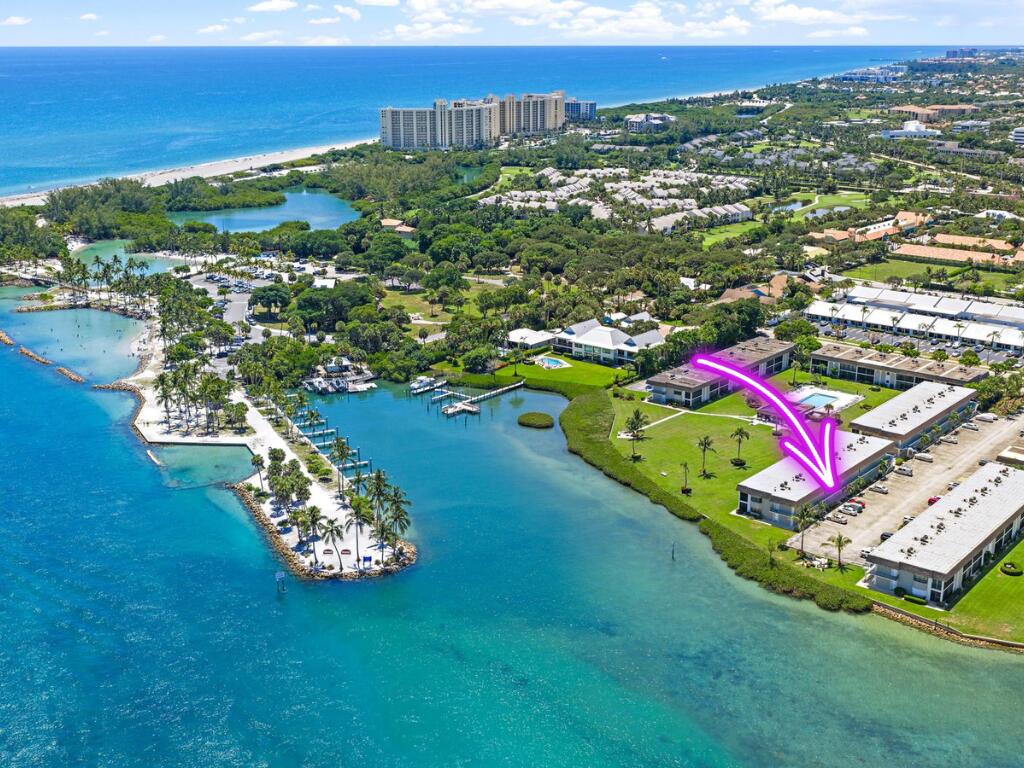
North Passage adds a 24-hour manned gate, a location along the Loxahatchee River, and community amenities that include a clubhouse, a pool and spa, a fitness room, tennis and pickleball courts, basketball, and a playground. The home is listed at $1,199,000, a few minutes from Tequesta and a short drive to Jupiter's dining and beaches.
Comparing Homes With Hurricane Season in Mind
Knowing which features matter makes it easier to compare homes side by side and spot the ones that will make your first Florida hurricane season easier. The Meyer Lucas Team helps buyers across Jupiter, Tequesta, and Martin County evaluate homes with these features in mind, from questions about generators and fuel to what to look for on a walkthrough. If you'd like to see how the features in this guide work in a real home, 8954 SE Water Oak Place is a good one to start with.
The Meyer Lucas Team is a luxury real estate team serving buyers, sellers, investors, and those relocating throughout Jupiter, Palm Beach Gardens, North Palm Beach, Juno Beach, Tequesta, West Palm Beach, and communities across Palm Beach County and Martin County. We love sharing what's happening inside our team, throughout our local communities, and across the ever-evolving world of luxury real estate.
📞 Call or Text: 561-406-5228
📩 Email: [email protected]
🌐 Learn more and meet the team: meyerlucas.com
🔍 See homes for sale: Home Search